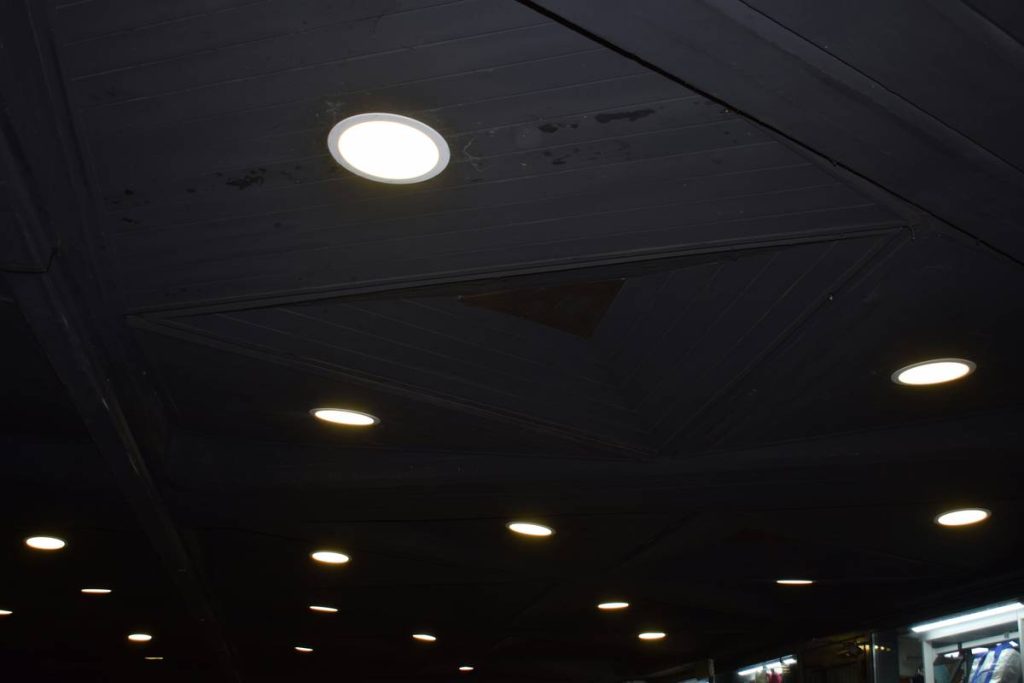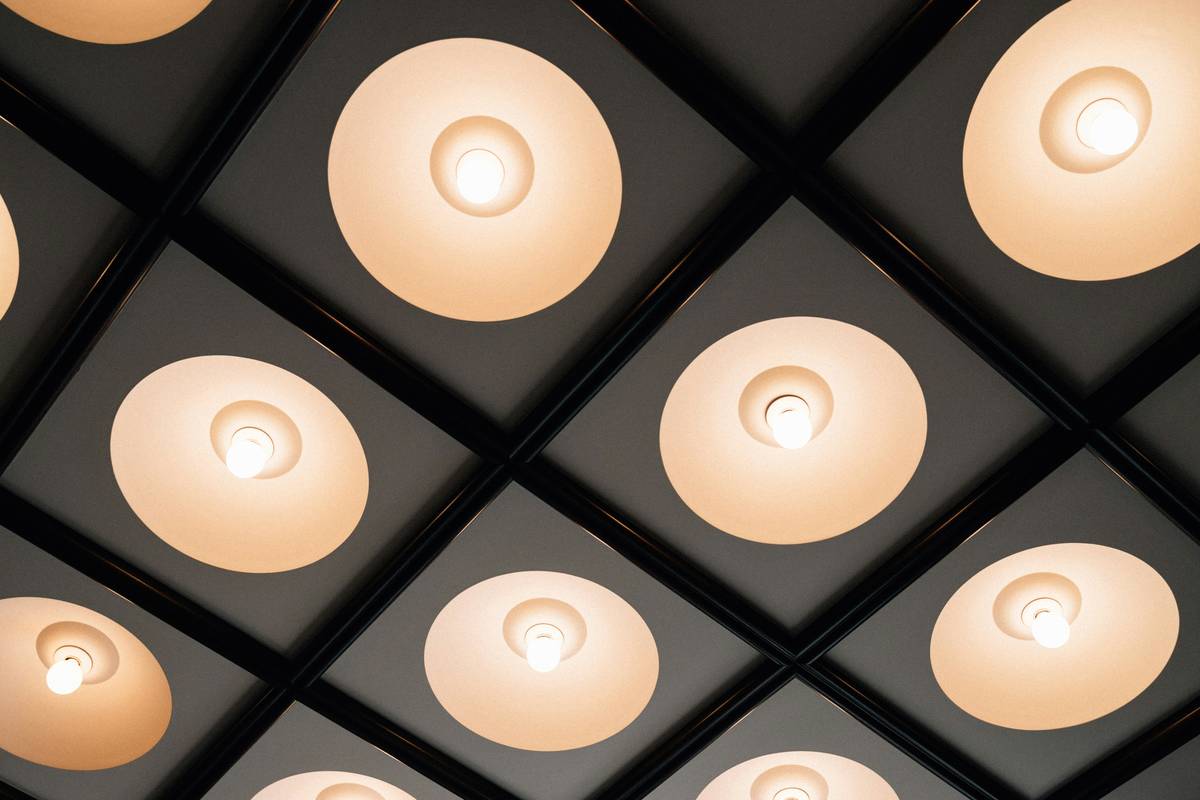
Recessed lighting looks sleek—until your electric bill spikes and your living room feels like a cave. Homeowners chase that “gallery clean” aesthetic but often overlook how poor placement, wrong bulb temps, or hidden installation costs sabotage both comfort and budget. The modern home recessed benefit drawback of this trend isn’t just about aesthetics—it’s a functional tightrope walk.
The Core Problem: Why Standard Recessed Lighting Fails in Modern Homes
Most installers treat recessed cans like drop-in accessories. Drill holes. Drop cans. Done. But modern homes demand precision—not guesswork. Open-concept layouts, vaulted ceilings, and minimalist interiors amplify every flaw. Too much downlight? You get harsh shadows and glare. Too few fixtures? You lose ambiance entirely. And let’s not forget insulation clashes—IC-rated vs. non-IC housing matters more than most realize.
Here’s the reality: recessed lighting was designed for commercial ceilings. Residential use requires rethinking spacing, wattage, and beam spread. Yet 70% of DIY retrofits ignore lumen calculations altogether.
modern home recessed benefit drawback of: A Practical Breakdown
Selecting the Right Housing Type
IC-rated housings can touch insulation—essential for energy efficiency. Non-IC? Leave a 3-inch clearance or risk overheating. In modern builds with spray foam or dense batts, skipping IC rating is a fire hazard waiting to happen.
Bulb Temperature & CRI Matter More Than You Think
2700K gives warmth. 4000K feels clinical. But Color Rendering Index (CRI) above 90? That’s what makes wood grain pop and skin tones look natural. Cheap LEDs skimp here—and your “luxury” kitchen ends up looking flat.
Spacing Isn’t Guesswork—It’s Math
Rule of thumb: divide ceiling height by 2 to get fixture spacing. 8-foot ceiling? Fixtures every 4 feet. But in rooms under 12×12, you’ll need fewer—strategically placed—to avoid that interrogation-room vibe.
| Factor | Benefit | Drawback | Cost Impact |
|---|---|---|---|
| Air-Tight IC Housing | Prevents heat loss, meets code in insulated ceilings | 15–25% pricier than standard cans | $$ (Medium) |
| Integrated LED Trim | 50,000+ hour lifespan, no bulb replacements | Entire unit must be replaced if driver fails | $$$ (High upfront) |
| Dimmable + Smart-Ready | Full ambiance control, integrates with Alexa/Google | Requires compatible dimmer switches ($40–$80 extra) | $$–$$$ |
| Retrofit vs. New Build | Retrofit = minimal drywall work | New build allows perfect alignment, better insulation sealing | Retrofit: $, New Build: $$ but higher ROI |
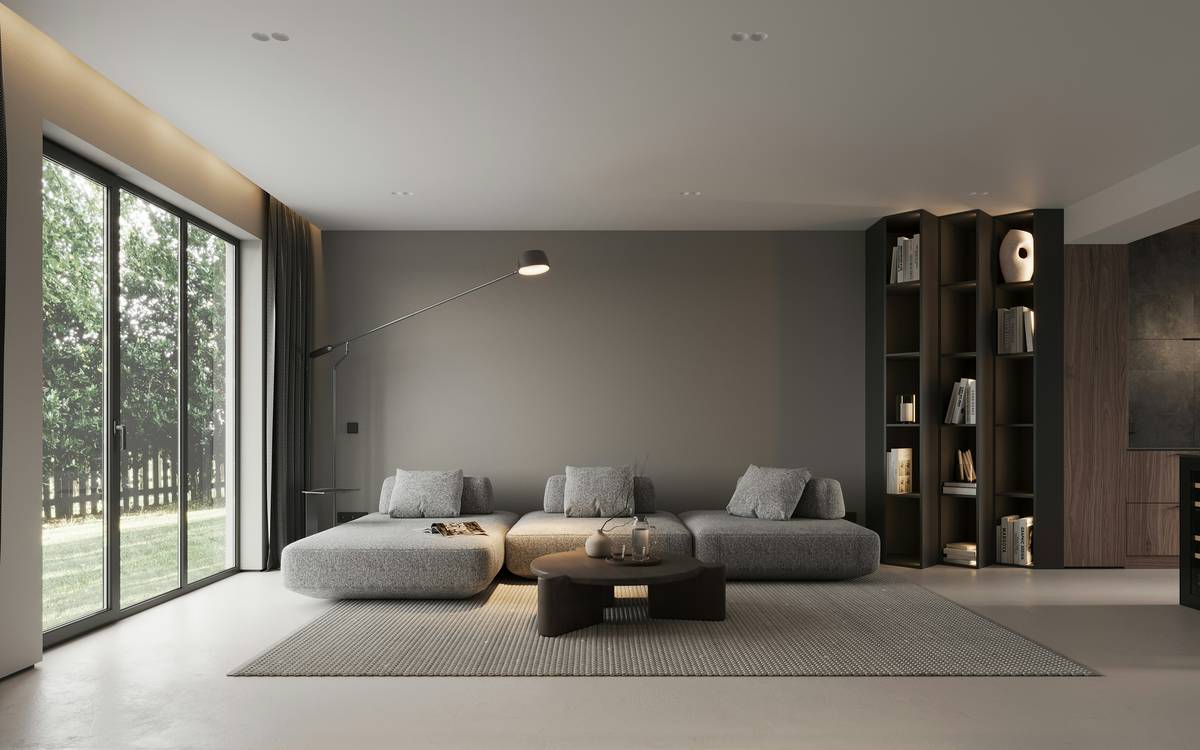
The Industry Secret: Layer Light Like a Cinematographer
Hollywood sets never rely on overheads alone. Neither should you. The real pro move? Combine recessed downlights with cove lighting, under-cabinet strips, or wall washers. This three-point layering eliminates shadows, adds depth, and—here’s the kicker—lets you use fewer recessed cans overall.
But contractors hate this. Why? It takes planning. It requires coordinating electricians with interior designers early. And it means rejecting the “just add more cans” mentality. One client of ours cut their planned 24 fixtures down to 12—then added linear coves along the perimeter. Result? A brighter, cozier space with 30% lower energy use. The math is simple: quality over quantity wins every time.
FAQ
Are recessed lights outdated in modern homes?
No—but poorly executed ones are. With smart spacing, high-CRI LEDs, and layered design, they remain essential for clean aesthetics without sacrificing function.
Do recessed lights increase home value?
Yes, if installed correctly. Buyers notice seamless lighting. But visible patchwork or mismatched color temps signal amateur work—which can hurt perceived value.
Can recessed lighting cause heat loss?
Absolutely—if using non-airtight housings in insulated ceilings. Always choose IC-rated, airtight cans to prevent thermal bypass and meet energy codes.