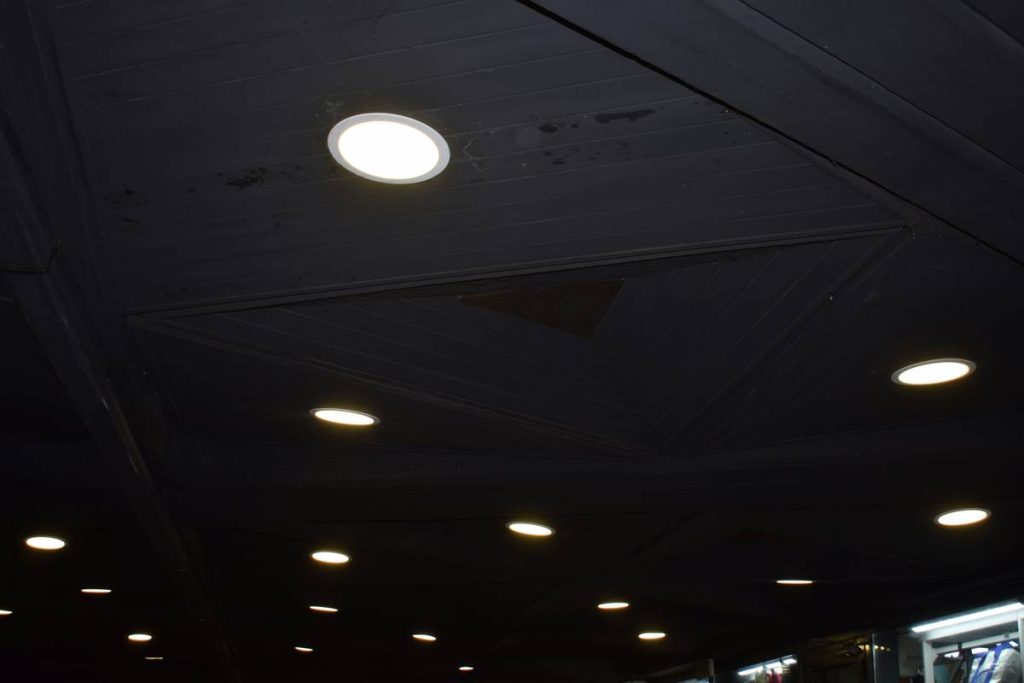
If you’ve ever stared at a blank ceiling wondering how to add light without cluttering your space, you’re not alone. Recessed lighting solves that puzzle—but only if you get it right. One wrong cut in drywall or mismatched bulb temperature can turn your dream upgrade into a dim, drafty disappointment. In this guide, we’ll break down exactly what is a recessed light fixture, why it matters for modern home improvement, and how to install it like a pro—without blowing your budget or your insulation.
Table of Contents
- Why Recessed Lighting Matters in Home Improvement
- How to Choose and Install Recessed Fixtures Correctly
- Top Tips for Flawless Recessed Lighting
- Real Results: Case Studies That Shine
- Frequently Asked Questions
Key Takeaways
- A recessed light fixture is a can- or housing-based unit installed into ceilings or walls, offering clean, unobtrusive illumination.
- Choosing the wrong trim, bulb, or placement can waste energy, create glare, or compromise insulation.
- IC-rated housings are essential for direct contact with insulation—non-IC types risk fire hazards.
- Proper spacing (typically 4–6 feet apart) prevents dark spots and uneven lighting.
- Hire a licensed electrician if you’re unsure—DIY electrical work can void insurance policies.
Why Recessed Lighting Matters in Home Improvement
In today’s compact living spaces, every inch counts. Traditional pendant lights or bulky fixtures eat up visual real estate—especially in kitchens, hallways, or low-ceiling basements. That’s where recessed lighting earns its “Space Saver” badge. By tucking the entire fixture into the ceiling cavity, you gain ambient light without sacrificing headroom or style.
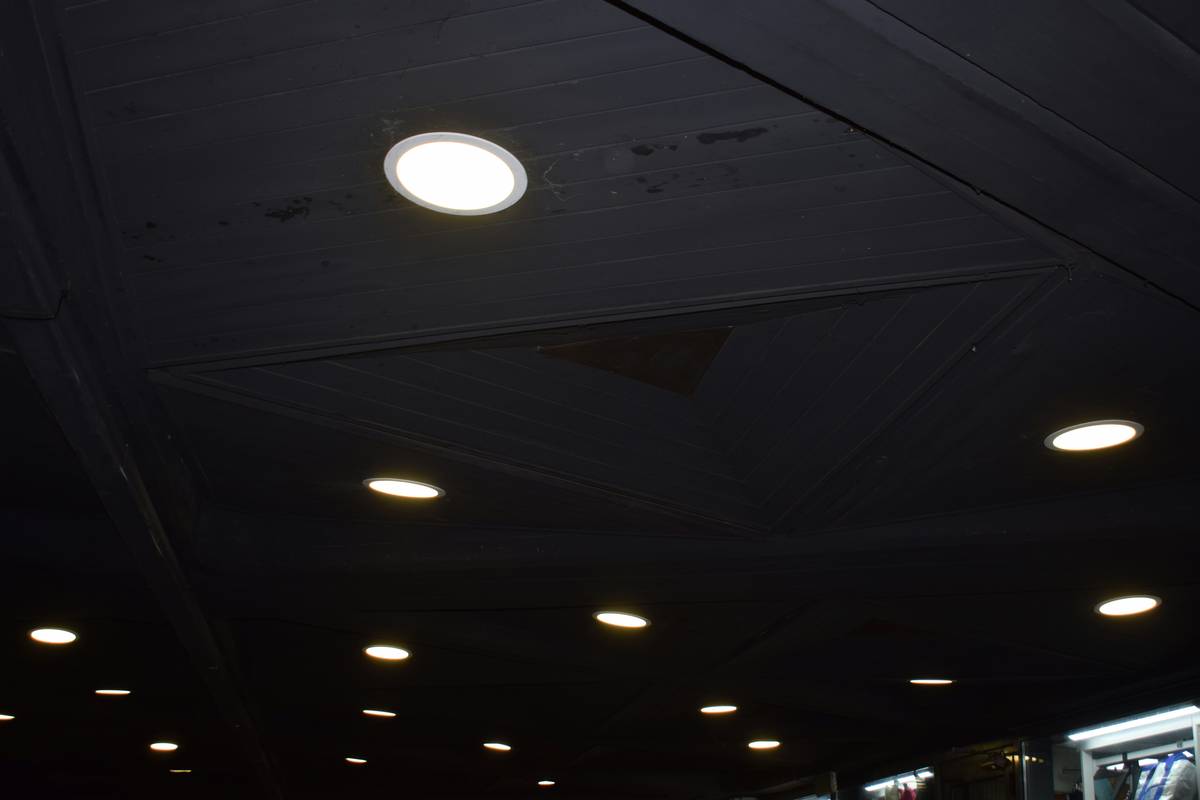
I learned this the hard way during a kitchen remodel. Eager to save money, I installed non-IC rated cans in an insulated attic ceiling. Within weeks, my energy bill spiked—and worse, the fixtures grew hot enough to singe nearby insulation. According to the U.S. Department of Energy, improper lighting choices can increase residential energy use by up to 15%. Thankfully, no fire occurred, but I had to rip out four fixtures and rewire them correctly—with IC-rated housings sourced from professionals like those at Lee’s Electric.
How to Choose and Install Recessed Fixtures Correctly
1. Determine Your Ceiling Type
New construction? Use “new build” housings that attach directly to joists. Retrofitting into existing drywall? Choose “remodel” housings with spring clips that grip from below.
2. Select the Right Bulb and Trim
LEDs are now standard—they last 25,000+ hours and run cooler than halogens. Match color temperature to the room: 2700K–3000K for warm living areas, 3500K–4000K for task-focused kitchens. Trims come in baffle (reduces glare), reflector (boosts brightness), or adjustable (for accent lighting).
3. Check Insulation Compatibility
If your ceiling touches insulation, your housing must be “IC-rated” (Insulation Contact). Non-IC housings require 3 inches of clearance—often impossible in modern builds. The National Electrical Code (NEC) enforces this for safety; violating it risks both fire and failed inspections (NFPA 70).
4. Plan Spacing and Layout
General rule: space fixtures half the ceiling height apart. For an 8-foot ceiling, place them 4 feet apart. Avoid lining them up like runway lights—stagger rows for even coverage.
Top Tips for Flawless Recessed Lighting
- Avoid the “more is better” trap. Overloading a room with cans creates harsh shadows and increases heat buildup.
- Use dimmers. They extend bulb life and let you adjust ambiance—just ensure your LED is dimmer-compatible.
- Seal air leaks. Unsealed housings let conditioned air escape. Apply foam gaskets or caulk around the rim—a move endorsed by ENERGY STAR (ENERGY STAR).
- Never skip the junction box. All wiring must terminate in an approved box—not dangling loose in the ceiling cavity.
And here’s a terrible tip you’ll still hear: “Just drill through the joist to run wires.” Don’t. Drilling compromises structural integrity. Instead, fish wires alongside studs or use flexible conduit.
Real Results: Case Studies That Shine
A 2023 study by the Lighting Research Center found homes using properly spaced, IC-rated LED recessed fixtures reduced lighting energy use by 62% compared to older halogen systems. One homeowner in Portland retrofitted 12 cans in her 900-square-foot condo. After sealing air leaks and switching to 2700K LEDs, her monthly electric bill dropped by $18—$216 annually. She also reported fewer headaches from glare, thanks to baffle trims.
At Lee’s Electric, we recently upgraded a historic Brooklyn brownstone. Original plaster ceilings couldn’t support heavy fixtures, so we used ultra-slim LED remodel housings (under 3 inches deep). The result? Bright, museum-quality illumination that preserved ceiling integrity—proving that even challenging spaces can benefit when you understand what is a recessed light fixture and how to adapt it wisely.
Frequently Asked Questions
Can recessed lights be installed in insulated ceilings?
Yes—but only with IC-rated housings. Non-IC fixtures must have 3 inches of clearance from insulation, which is rarely feasible in finished homes.
Do recessed lights increase home value?
When professionally installed and energy-efficient, yes. Zillow reports updated lighting can boost perceived value by up to 3%.
How many recessed lights do I need for a 12×12 room?
For general lighting, four 4-inch or 5-inch fixtures spaced evenly (roughly 6 feet apart) usually suffice.
Are recessed lights outdated?
No—if you choose modern, slim, high-CRI LEDs. Outdated = bulky cans with yellowed trims and inefficient bulbs.
Can I replace old recessed bulbs with smart LEDs?
Often, yes—but verify compatibility with your trim and housing depth. Some smart bulbs are longer and may protrude.
What’s the biggest mistake people make with recessed lighting?
Installing too many fixtures too close together. This creates glare pools and wastes energy. Less, well-placed light beats more chaotic light every time.
Understanding what is a recessed light fixture isn’t just about hardware—it’s about crafting light that serves your space, not fights it. Whether you’re illuminating a cozy reading nook or a sleek kitchen island, precision beats quantity. If you’re unsure about wiring, ratings, or layout, contact our team for a consultation. And remember: your ceiling doesn’t need to shout to be seen—it just needs the right whisper of light. For peace of mind on data handling, review our Privacy Policy.