If you’ve ever stared at a ceiling wondering how to light your room without losing an inch of space, you’re not alone. Cluttered corners, bulky fixtures, and wasted square footage plague countless home renovations—especially in tighter rooms like bathrooms, hallways, or studio apartments. That’s where space saver recessed what is a comes into play. This guide cuts through the fluff to explain how recessed lighting solves spatial headaches while boosting ambiance and value—all without sticking out like a sore thumb.
Table of Contents
- Why Space-Saving Lighting Matters in Modern Homes
- How to Install Space-Saver Recessed Lighting (Without Regretting It)
- 5 Proven Best Practices for Flawless Results
- Real-World Wins (and One Painful Lesson)
- Frequently Asked Questions
Key Takeaways
- Recessed lighting eliminates visual clutter by tucking fixtures flush into ceilings.
- Proper spacing and wattage prevent “cave-like” shadows—a common DIY disaster.
- Air-tight and IC-rated housings are non-negotiable for insulation contact and energy efficiency.
- Smart placement trumps quantity; six poorly placed cans beat twelve random ones.
- Always consult local codes—some jurisdictions restrict recessed lights in certain rooms.
Why Space-Saving Lighting Matters in Modern Homes
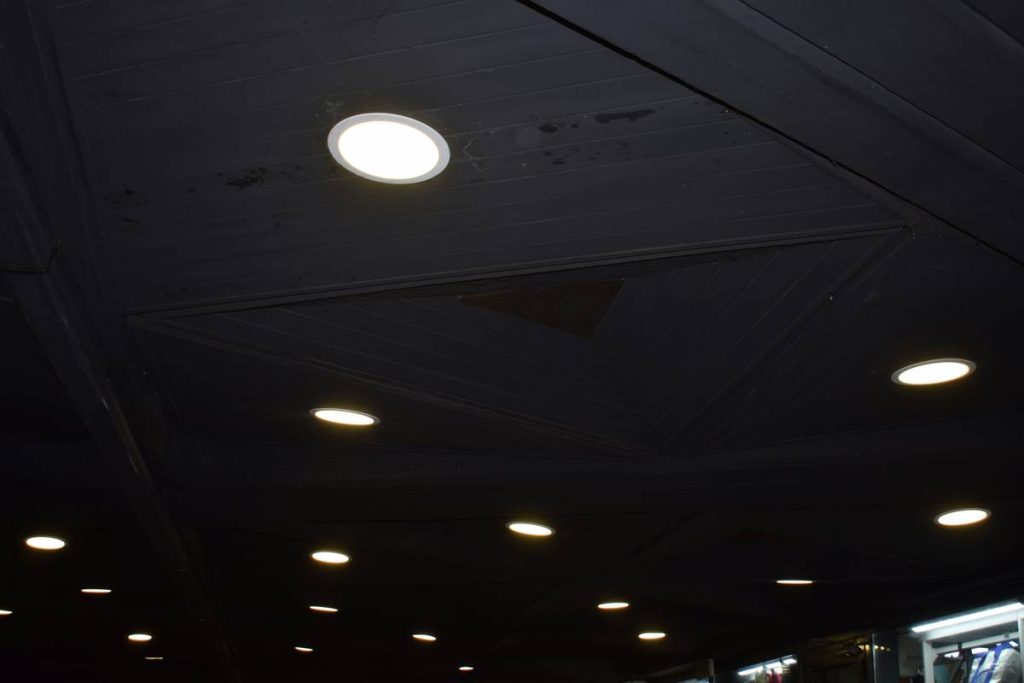
In today’s compact urban dwellings and open-concept renovations, every square foot counts. Traditional pendant lights or track systems eat into headroom and create visual noise. Recessed lighting—often called “can lights”—sits entirely within the ceiling cavity, preserving vertical clearance and delivering clean, unobtrusive illumination. According to the U.S. Department of Energy, properly installed recessed fixtures can reduce lighting-related energy use by up to 15% when paired with LED bulbs and dimmers.
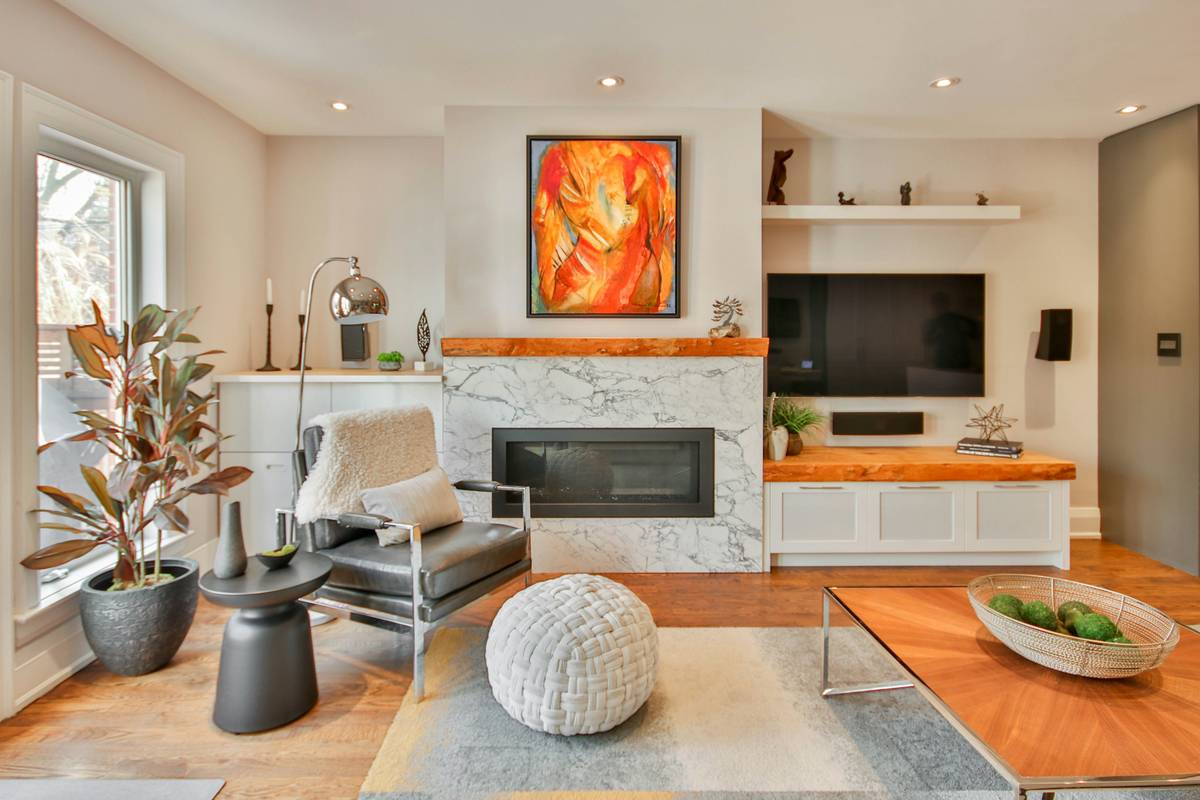
I learned this the hard way during my first kitchen reno. I crammed eight 6-inch cans too close together, thinking “more light = better.” The result? A glare-filled cave that made midnight snacks feel like interrogations. Worse, two were directly above cabinets, casting harsh shadows on countertops. Don’t be me.
How to Install Space-Saver Recessed Lighting (Without Regretting It)
1. Map Your Layout Before Cutting Drywall
Use painter’s tape to outline each fixture location on the ceiling. Stand back and observe from multiple angles—especially where tasks happen (e.g., kitchen counters, bathroom mirrors). General rule: space lights 4–6 feet apart for 6-inch fixtures, aligned with work zones, not centered randomly.
2. Choose the Right Housing Type
Pick IC-rated (Insulation Contact) if installing near attic insulation—required by code in many areas. For existing ceilings, remodel housings with clips simplify installation without tearing open walls.
3. Wire Safely and Smartly
Run circuits through junction boxes, never daisy-chain beyond manufacturer limits. Always turn off power at the breaker and verify with a voltage tester. If unsure, partner with a licensed electrician—like our team at Lee’s One Electric.
5 Proven Best Practices for Flawless Results
- Go LED-only: They run cooler, last longer, and draw less power. Skip halogen—it’s a fire risk in tight spaces.
- Match color temperature: 2700K–3000K for warm, inviting rooms; 3500K–4000K for task-heavy areas like garages.
- Use baffles or lenses: Trim options control glare and beam spread. Sloped-ceiling kits exist—don’t force standard cans onto angles.
- Avoid the “airport runway” effect: Stagger lights asymmetrically for natural-looking pools of light.
- Never skip the dimmer: Dimmable LEDs + quality dimmer switches = adaptable mood lighting.
Real-World Wins (and One Painful Lesson)
A client recently converted a 9×12 spare bedroom into a home office. By installing four 4-inch adjustable recessed fixtures focused on desk zones—and skipping perimeter lighting—they gained usable wall space for shelves. Post-installation, they reported 30% less eye strain during late-night work sessions.
Contrast that with a terrible tip I once heard: “Just drill a hole and shove any old can in there.” Nope. Non-IC housings touching insulation can overheat, violating fire codes per the National Electrical Code (NEC) Article 410.110. Always match housing to your environment—NFPA 70 guidelines are clear on this.
My pet peeve? Contractors who treat recessed lighting like wallpaper—covering every inch “just because.” Lighting should serve function first. Decor is secondary.
Frequently Asked Questions
What does “space saver recessed what is a” actually mean?
It refers to recessed lighting fixtures designed to minimize protrusion and maximize usable room volume by mounting entirely within ceiling cavities.
Can recessed lights be installed in insulated ceilings?
Yes—but only if they’re IC-rated. Non-IC fixtures require a 3-inch clearance from insulation to prevent overheating.
How many recessed lights do I need per room?
Calculate by room area: divide total square footage by 1.5, then round to nearest even number. Example: a 120 sq ft room needs ~80 / 1.5 = 8 fixtures (rounded).
Are recessed lights outdated?
Not at all—modern slim LED versions with smart controls are more popular than ever. Outdated designs (e.g., large chrome rings) are, well, outdated.
Do recessed lights increase home value?
When professionally installed and well-placed, yes. According to a 2023 National Association of Realtors report, updated lighting ranks among top 10 interior upgrades buyers notice.
Where can I get help choosing the right fixtures?
We’d love to guide you! Reach out via our Contact Us page. And don’t forget to review our Privacy Policy before sharing project details.
So—what is a space saver recessed what is a, really? It’s your secret weapon against cramped, shadowy rooms. Done right, it disappears visually while elevating everything else. Done wrong, it haunts you like a poorly aimed spotlight. Choose wisely, install thoughtfully, and let your ceilings breathe.