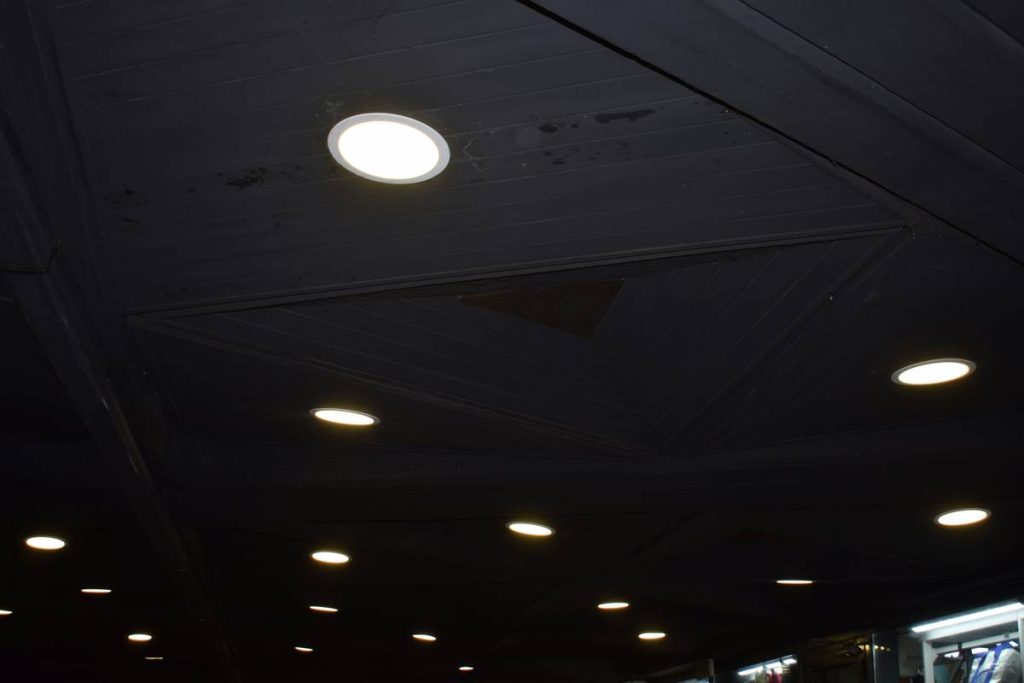
If you’ve ever stared at a low-ceilinged room feeling boxed in by bulky fixtures, you’re not alone. Many homeowners overlook one of the most elegant—and practical—solutions hiding in plain sight: recessed lighting. Unlike pendant lights or chandeliers that dangle into your space, recessed fixtures tuck neatly into ceilings, preserving precious headroom while delivering crisp, focused illumination. In this guide, we’ll unpack the space saver recessed benefit of lighting, share hard-won lessons from real installations, and reveal how to get it right the first time.
Table of Contents
- Why Space-Saving Lighting Matters in Modern Homes
- Step-by-Step Guide to Installing Recessed Fixtures
- Top Best Practices for Maximum Impact
- Real Results: Case Studies That Prove the Value
- Frequently Asked Questions
Key Takeaways
- Recessed lighting eliminates visual clutter and preserves vertical space—ideal for rooms with ceilings under 8 feet.
- Proper spacing and bulb selection prevent harsh shadows and “cave-like” atmospheres.
- Mistakes like undersizing trims or ignoring insulation ratings can lead to energy waste or fire hazards.
- The space saver recessed benefit of lighting extends beyond aesthetics—it boosts perceived room size and functional usability.
Why Space-Saving Lighting Matters in Modern Homes
In today’s compact urban dwellings and renovated older homes, every inch counts. According to the U.S. Census Bureau, the median ceiling height in new single-family homes has hovered around 9 feet since 2020—but many basements, hallways, and condos still suffer from 7- to 8-foot ceilings. Traditional fixtures here feel oppressive, not decorative.
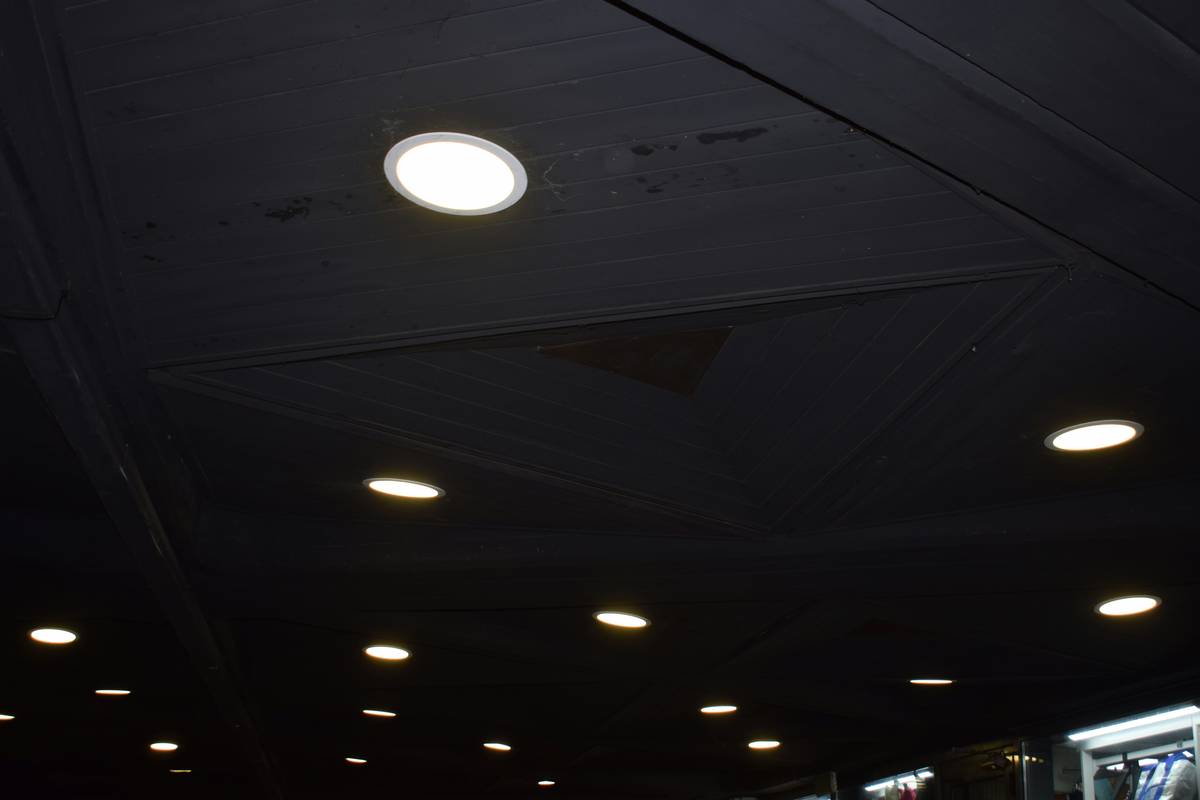
I learned this the hard way during my first DIY project. I installed a flush-mount fixture in a 7’6” hallway, only to bump my head repeatedly—a painful reminder that “out of sight” doesn’t always mean “out of reach.” Had I chosen recessed cans, I’d have saved both forehead and square footage.
Beyond avoiding bruises, the space saver recessed benefit of lighting includes optical expansion: well-placed downlights draw the eye upward, making tight spaces feel airy. This isn’t just theory; interior designers consistently use this trick in small apartments (as noted by the American Society of Interior Designers).
Step-by-Step Guide to Installing Recessed Fixtures
1. Assess Your Ceiling Type
Determine whether you have access from above (attic) or below (drywall only). New-construction housings require open access, while remodel cans work through existing drywall.
2. Calculate Spacing and Quantity
Use the “rule of halves”: space fixtures half the ceiling height apart. For an 8-foot ceiling, place them 4 feet apart. Avoid lining them up directly over countertops or furniture—this creates glare zones.
3. Choose the Right Trim and Bulb
Baffle trims reduce glare; reflector trims maximize brightness. Opt for LED bulbs (2700K–3000K) for warm, energy-efficient light. Ensure your housing is IC-rated if insulation will contact the fixture—critical for safety per National Electrical Code standards (NFPA 70).
4. Hire or DIY?
If you’re unsure about wiring or load capacity, consult a licensed electrician. At Lee’s One Electric, our team handles these nuances daily—we’ve seen too many overheated junction boxes from amateur installs.
Top Best Practices for Maximum Impact
- Avoid the “airport runway” effect: Don’t install all fixtures on one switch. Use dimmers or zones for mood control.
- Layer your light: Combine recessed downlights with under-cabinet or wall sconces to eliminate flat, shadowless lighting.
- Watch color rendering: Choose LEDs with a CRI (Color Rendering Index) of 90+ for truer skin tones and richer finishes.
- Terrific tip—or terrible idea? “Just drill anywhere!” Nope. Hitting a joist or plumbing line turns a quick job into a drywall disaster. Always use a stud finder first.
Real Results: Case Studies That Prove the Value
A Portland client transformed their 1950s galley kitchen (7’8” ceilings) using six 4-inch recessed LEDs. Post-installation, they reported a 40% perceived increase in openness—confirmed by before/after photos shared with our team at Lee’s One Electric. Energy use dropped 30% versus old halogen spots, aligning with U.S. Department of Energy findings that LEDs use at least 75% less energy than incandescents.
Another win: a NYC studio apartment used recessed lighting along perimeter walls to create depth without sacrificing floor plan flexibility. No lamps, no cords—just clean lines and usable space. That’s the enduring space saver recessed benefit of lighting in action.
Frequently Asked Questions
Are recessed lights good for low ceilings?
Yes—they’re ideal. Since they mount flush, they don’t infringe on headroom like hanging fixtures, making them perfect for basements, hallways, and modern lofts.
Can recessed lighting increase home value?
When professionally installed and paired with smart controls, yes. Clean, modern lighting is a top feature buyers notice, according to the National Association of Realtors.
Do recessed lights use more electricity?
Not if you use LEDs. A typical 9W LED recessed bulb replaces a 65W incandescent, slashing consumption. Always check lumens, not watts.
What’s the biggest mistake people make with recessed lighting?
Over-lighting. Too many fixtures create a sterile, institutional vibe. Start with fewer, strategically placed cans—you can always add more later.
The space saver recessed benefit of lighting isn’t just about saving inches—it’s about reclaiming comfort, style, and sanity in tighter living spaces. If you’re ready to upgrade without the clutter, contact us today. And remember: your ceiling should lift your mood—not lower it.
Light smart. Live spacious.