You’re staring at your ceiling, wondering why your kitchen feels dim even with five “recessed lighting fixtures.” You followed the advice online—wired them evenly, picked warm-white LEDs, hired an electrician. But something’s off. The space lacks depth. Shadows pool in corners. And worst of all, your fixtures look like cheap tin cans shoved into drywall. Here’s the truth: understanding recessed lighting fixtures meaning isn’t about bulb specs—it’s about architecture, intention, and light behavior most guides ignore.
Why “Just Install Recessed Lights” Is Terrible Advice
Home improvement blogs treat recessed lighting like furniture—plug-and-play. Drop a can here, screw in a bulb there. Done. But recessed lighting fixtures aren’t lamps. They’re integrated optical systems. And when you ignore beam spread, trim type, or ceiling height, you end up with what industry pros call “airport bathroom syndrome”—flat, shadowless, institutional glare.
Worse? Many contractors default to 6-inch housings because they’re cheaper and easier to install. Never mind that your 8-foot ceilings demand 4-inch trims for proper scale. Or that moisture-prone bathrooms require IC-rated, wet-location housings—not standard airtight cans. This isn’t nitpicking. It’s the difference between ambient elegance and clinical sterility.
Recessed Lighting Fixtures Meaning Decoded: A Practical Installation Blueprint
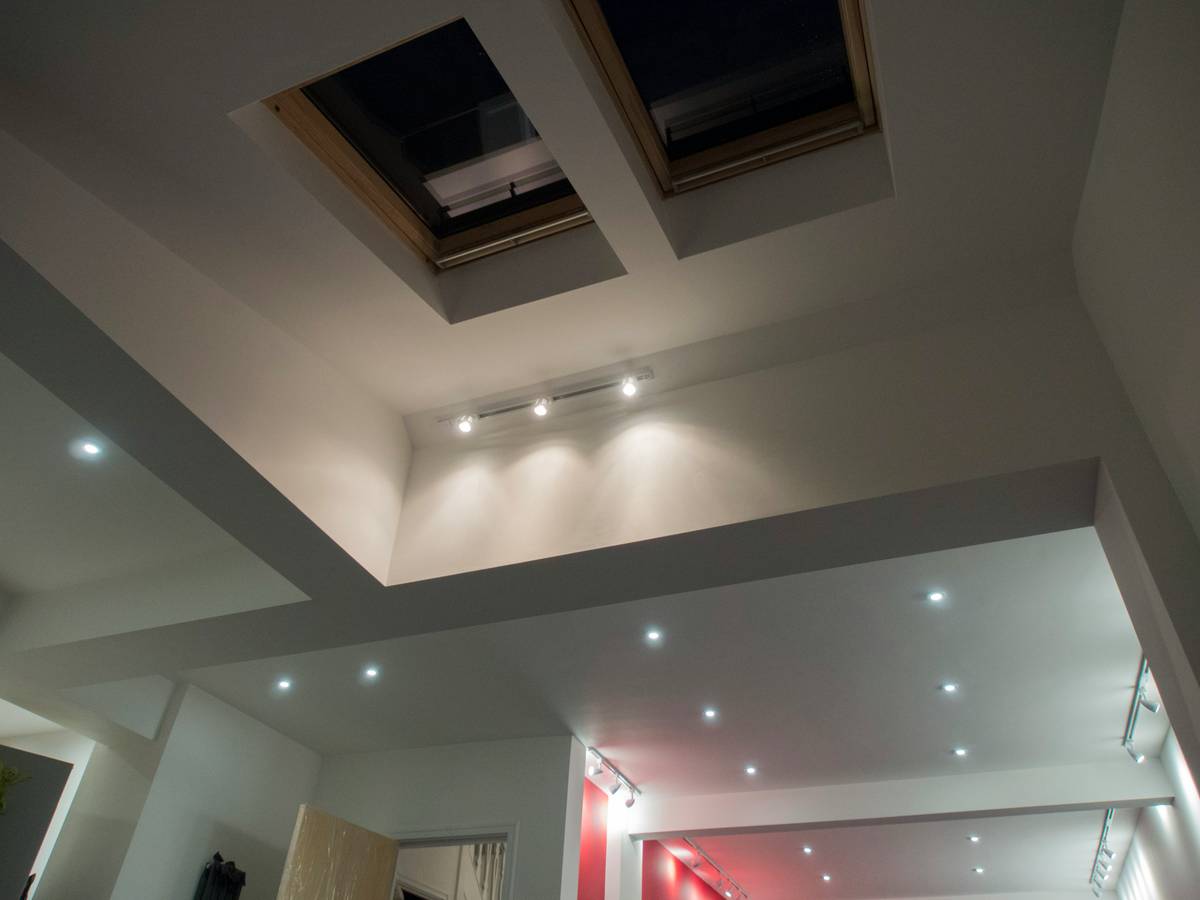
Forget generic “rules.” Real lighting design starts with measuring your room’s function—not its square footage. A reading nook needs focused, downward light. A vaulted living room demands wall-washers to avoid a cave effect. Match fixture specs to human behavior, not floor plans.
Choose Housing Type Based on Access
If you’ve got attic access above, go for new-construction housings—they’re cheaper and easier to secure. No attic? Remodel housings clamp onto drywall from below. But here’s the catch: remodel types often limit wattage and airflow. Don’t pair them with high-output LEDs unless they’re rated for it.
Trim Dictates Aesthetics—Not Just Light Output
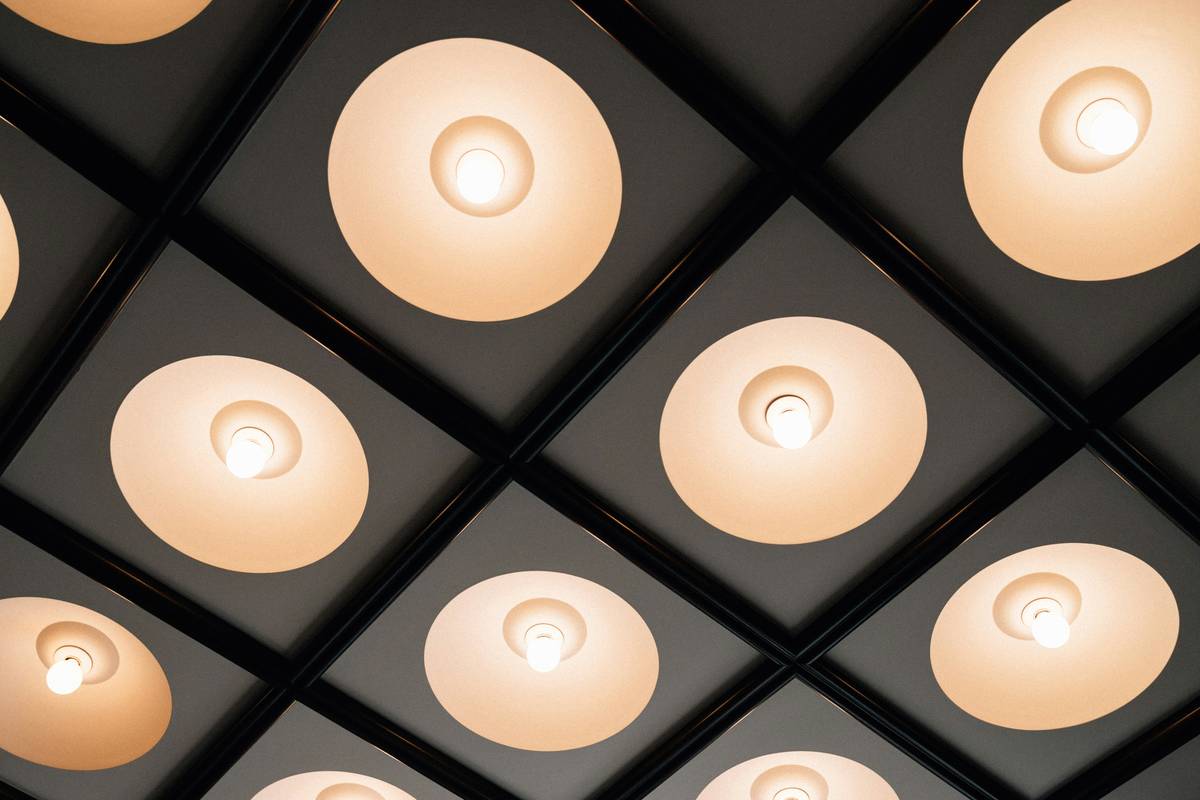
Baffle trims reduce glare but eat lumens. Reflective trims amplify brightness but can feel harsh. Eyeball trims let you aim beams—but they stick out. Want seamless integration? Go ultra-thin micro-rims with magnetic LED modules. They sit flush, hide wiring, and cost more—but your ceiling will thank you.
Spacing Isn’t Math—It’s Psychology
The “divide ceiling height by two” rule? Trash. In a 9-foot room, that suggests 4.5 feet between fixtures. But if you’re lighting a dining table, center one fixture 30 inches above the surface—then flank it asymmetrically based on sightlines from seating zones. Light where eyes go, not where rulers point.
| Fixture Type | Ideal Ceiling Height | Best Room Use | Avg. Installed Cost (per fixture) |
|---|---|---|---|
| 4-inch LED Canless | 8–10 ft | Kitchens, Bathrooms, Hallways | $85–$130 |
| 6-inch Baffle Trim | 9–12 ft | Living Rooms, Family Rooms | $100–$160 |
| Adjustable Gimbal (3-inch) | Any (with accent focus) | Art Walls, Kitchen Islands | $120–$190 |
| Ultra-Thin Micro-Rim | 8+ ft (modern aesthetics) | Minimalist Spaces, Ceilings with Limited Depth | $150–$220 |
The Industry Secret: Your Electrician Won’t Tell You This
Here’s what happens behind closed job sites: 70% of “recessed lighting” failures trace back to one overlooked detail—thermal management. LED modules generate heat at the driver, not the diode. If that driver’s crammed into an insulated ceiling without airflow, lumen depreciation accelerates. Your “50,000-hour” bulb dims to 70% output in 18 months.
So we do this: specify fixtures with external drivers or thermal bypass channels—even if they cost 20% more. And we never use IC-rated housings in conditioned attics unless mandated. Why? Because “insulation contact” ratings prioritize fire safety over longevity. In climate-controlled spaces, non-IC airtight housings with proper ventilation last longer and maintain brightness. Code allows it. Few electricians suggest it.
FAQ
What exactly does “recessed lighting fixtures meaning” refer to?
It defines architectural lighting units installed into ceiling cavities—comprising housing, trim, and light source—to create seamless, unobtrusive illumination without protruding hardware.
Can I install recessed lights in an existing ceiling?
Yes. Use remodel housings designed to clamp onto drywall from below. Ensure adequate clearance from joists and confirm your circuit can handle added load.
Are LED recessed fixtures worth the upgrade?
Absolutely. Modern LED modules use 75% less energy than halogen, last 3–5 times longer, and offer superior color rendering—provided thermal design isn’t compromised.