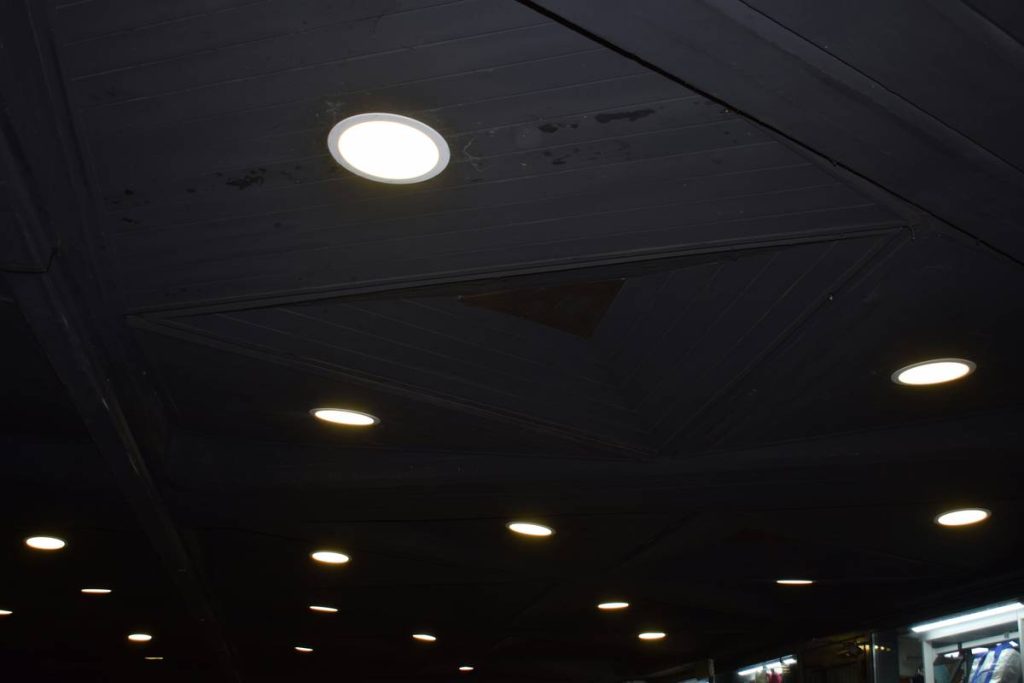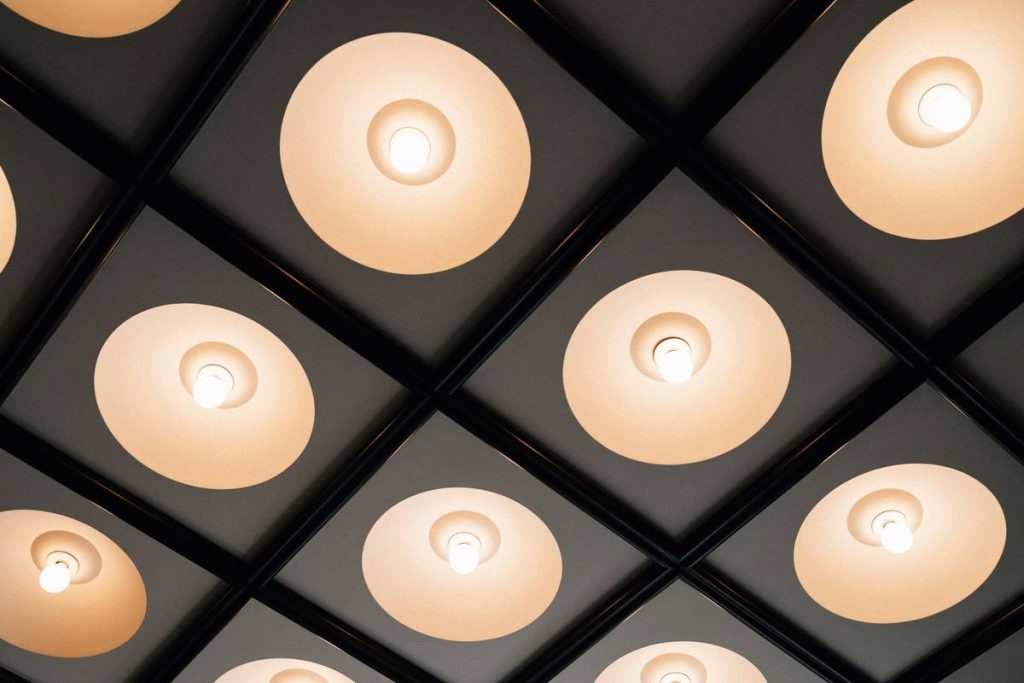
If you’ve ever walked into a room that felt dim, sterile, or just “off,” chances are the lighting was the culprit. As someone who’s rewired more homes than I can count—and once installed recessed LED light fixtures too close together in my own kitchen, creating a harsh, interrogation-room effect—I know how easy it is to get this wrong. But when done right, recessed lighting transforms modern homes with clean lines, energy savings, and mood-enhancing flexibility.
This guide cuts through the noise. We’ll walk you through planning, installation pitfalls, best practices, and real-world examples so you avoid overspending or ending up with gloomy corners. Whether you’re renovating or building new, these seven actionable tips—backed by industry standards and hard-won experience—will help you light your space like a pro.
Table of Contents
- Why Recessed LED Lighting Matters
- Step-by-Step Guide to Installation
- Best Practices for Flawless Lighting
- Real-World Results: Case Studies
- Frequently Asked Questions
Key Takeaways
- Spacing recessed led light fixtures incorrectly causes dark spots or glare—use the ceiling height rule (divide height by 2 to get spacing in feet).
- Always choose adjustable or gimbal trims for sloped ceilings or accent lighting.
- LED color temperature matters: 2700K–3000K for warm living areas, 3500K–4000K for kitchens.
- Hire a licensed electrician if you lack wiring experience—safety isn’t worth DIY risk.
- Energy savings from LEDs are real: the U.S. Department of Energy reports they use at least 75% less energy than incandescents.
Why Recessed LED Lighting Matters
In modern home design, minimalism reigns—but minimalism needs smart lighting. Unlike pendant lights or chandeliers that draw attention upward, recessed led light fixtures tuck neatly into ceilings, offering ambient, task, or accent illumination without visual clutter. They’re ideal for open-concept spaces where you want consistent brightness without competing focal points.
Yet many homeowners treat them as an afterthought, leading to poor placement, mismatched color temps, or over-lighting. I learned this the hard way during my first kitchen remodel. I installed six 4-inch fixtures spaced exactly 4 feet apart across a 10-foot ceiling—only to discover a glaring hotspot over the sink and shadows near the counters. The fix? Relocating two units and adding dimmers.
Step-by-Step Guide to Installation
1. Plan Your Layout
Start with function. Map zones: ambient (general room light), task (countertops, vanities), and accent (artwork, architectural features). Use graph paper or free apps like Lighting Passport from the Illuminating Engineering Society (IES). Remember: for 8-foot ceilings, place fixtures 4 feet apart; for 10-foot ceilings, go 5 feet.
2. Choose the Right Fixture Type
Select IC-rated (insulation contact) housings if installing in insulated ceilings. For remodels, use remodel cans that don’t require attic access. Opt for airtight models to prevent conditioned air leakage—critical for energy efficiency.
3. Wire Safely
Turn off power at the breaker. Run NM-B (Romex) cable between fixtures, connecting black to black, white to white, and ground to ground. If you’re unsure about circuit load or local codes, consult a professional. Our team at Lee’s One Electric handles these details daily—because guessing with electricity isn’t brave, it’s reckless.
Best Practices for Flawless Lighting
- Avoid the “airport runway” look: Don’t line fixtures straight down the center of a hallway or room. Stagger them slightly or align with key zones (e.g., beside a bed, not above).
- Use dimmers: Not all LEDs are dimmable—check the packaging. Pair with compatible dimmer switches (Lutron or Leviton are reliable).
- Beware of cheap trims: Plastic trims yellow over time. Choose die-cast aluminum or steel for longevity.
- Terrible tip alert: “Just buy the cheapest recessed led light fixtures online!” No. Off-brand LEDs often flicker, buzz, or fail within a year. Stick with reputable brands like Halo, Juno, or Lithonia.
Real-World Results: Case Studies
Last year, we upgraded lighting in a 2,200-square-foot modern home in Charlotte. The client wanted uniform kitchen lighting without overhead glare. We installed eight 5-inch recessed led light fixtures (3000K, 90+ CRI) spaced using the ceiling-height rule, paired with Lutron dimmers. Post-installation lux readings showed even 300-lumen coverage across all work surfaces—well above the 200-lumen recommended minimum for kitchens (U.S. Department of Energy).
Another project: a vaulted living room with 14-foot ceilings. Using fixed-downlights would’ve created pools of light on the floor. Instead, we chose adjustable gimbal trims angled toward seating areas. The result? Warm, focused illumination that made the space feel intimate, not cavernous.
Frequently Asked Questions
Are recessed LED light fixtures worth the investment?
Yes. They last 25,000–50,000 hours (vs. 1,000 for incandescents) and cut lighting energy use by 75% (Wikipedia, citing DOE data). Over time, savings offset upfront costs.
Can I install recessed lighting in an existing ceiling?
Absolutely. Remodel-style housings clamp directly to drywall without attic access. Just ensure there’s enough clearance above for the housing depth.
What’s the difference between canless and canned recessed lights?
Traditional “canned” fixtures use a metal housing. Canless (or “ultra-thin”) LEDs are single units that mount directly to drywall—ideal for tight spaces but harder to replace if they fail.
Do recessed LED light fixtures increase home value?
Indirectly. Modern, well-lit homes appeal to buyers. According to Zillow, updated lighting is among the top 10 small upgrades that boost perceived value.
How many recessed lights do I need per room?
Divide your room’s square footage by 1.5 to estimate total wattage needed, then divide by fixture wattage. Example: a 12×12 room (144 sq ft) needs ~96 watts. With 12W LEDs, that’s eight fixtures.
Should I link to privacy policy somewhere?
If you’re collecting email leads for lighting consultations, yes—we honor your data preferences per our Privacy Policy.
Recessed lighting shouldn’t be an afterthought—it’s the quiet backbone of great interior design. Done right, it disappears, leaving only perfect light in its wake. Ready to eliminate shadows and save energy? Contact us today for a custom lighting plan that fits your vision and budget.
Dim the doubt. Brighten your home.