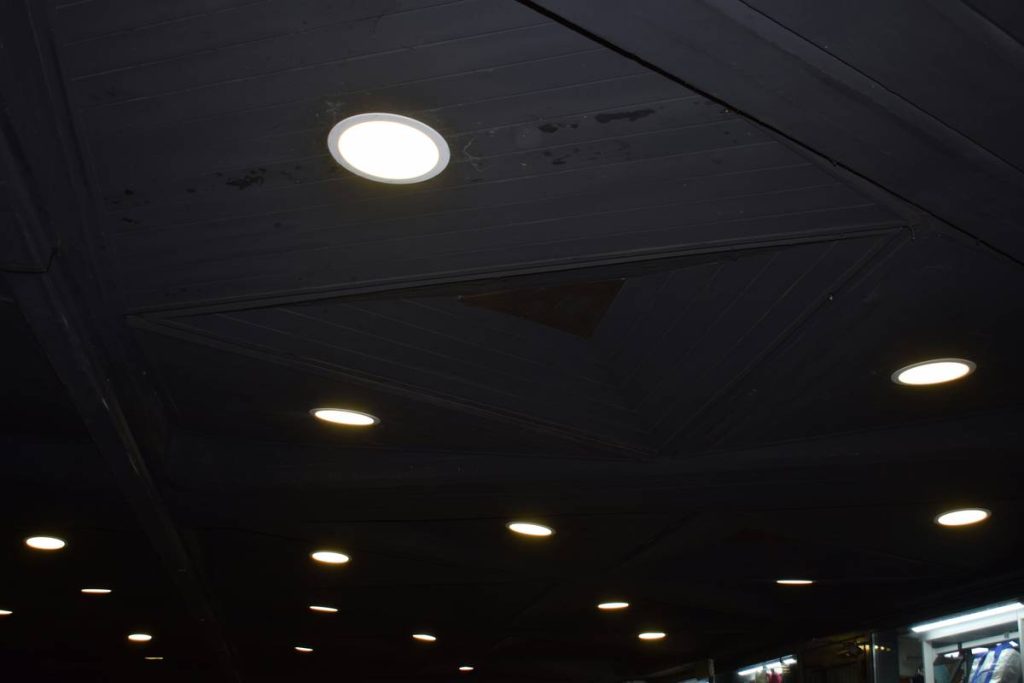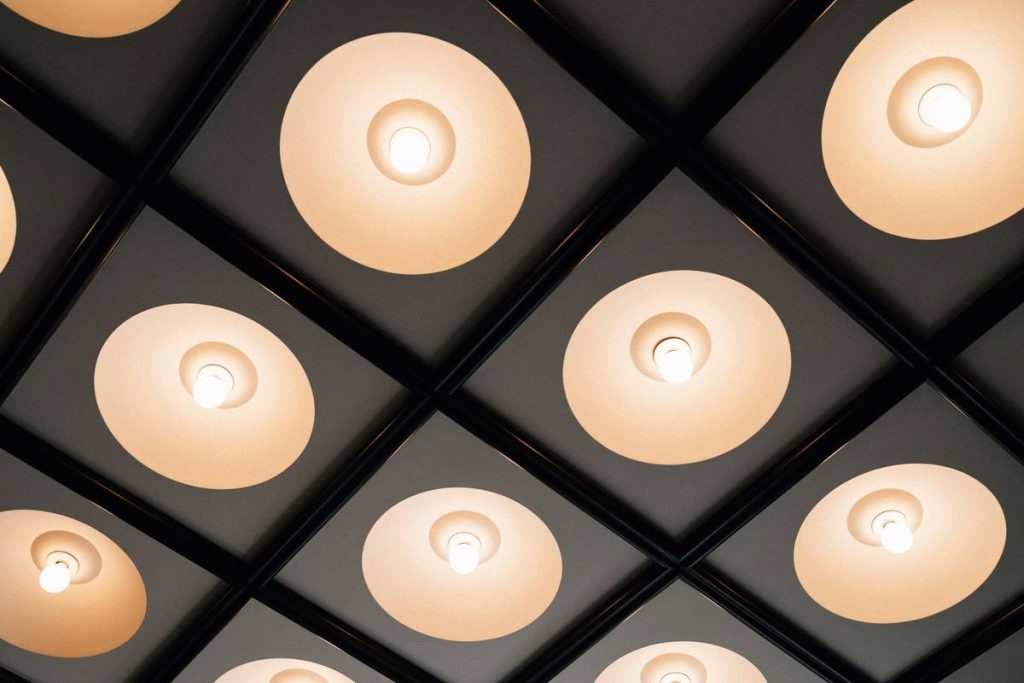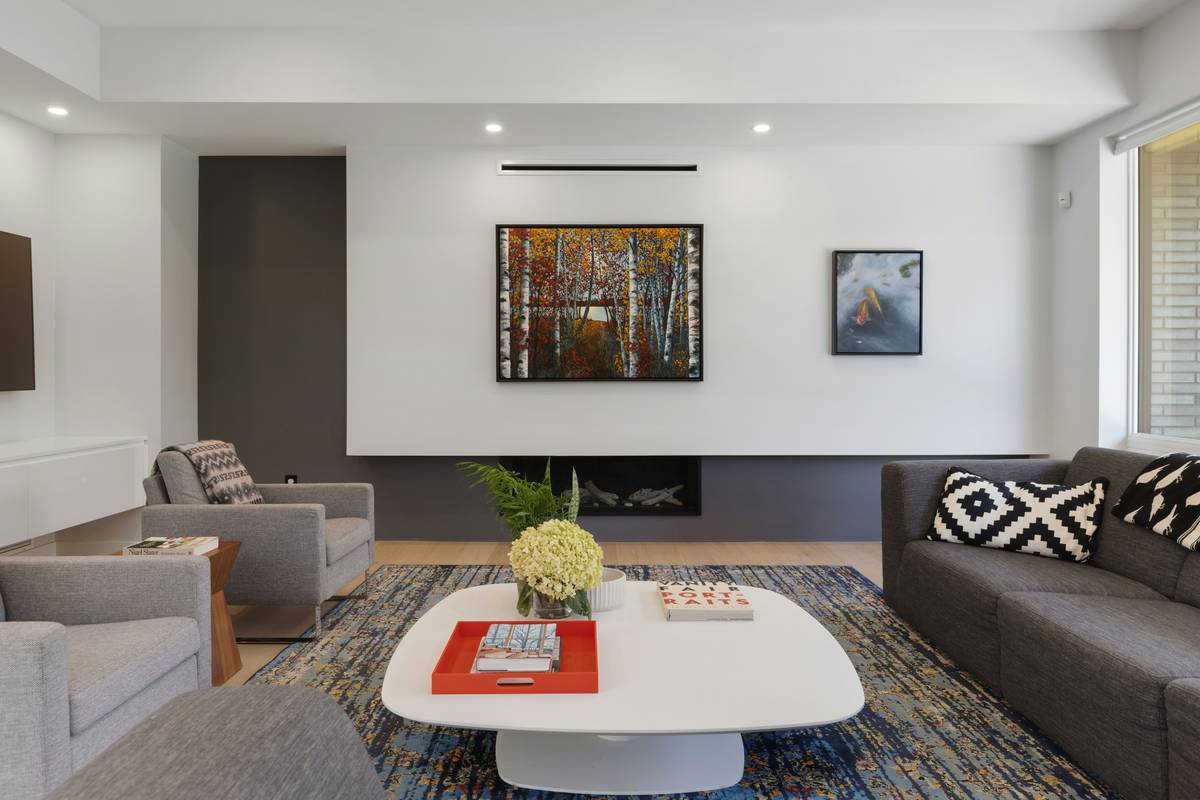
Ever flipped on your recessed lights only to feel like you’re standing in a cave—or worse, under interrogation lamps? You’re not alone. Poor lighting can turn a sleek modern home into a clinical waiting room or a dim dungeon. The good news? With the right new recessed lighting ideas, you can transform any space with precision, warmth, and style—without rewiring your sanity (or your budget). In this guide, we’ll walk you through real-world strategies, insider mistakes to avoid, and actionable tips that blend aesthetics with function. Whether you’re renovating or just tired of squinting in your kitchen, these seven approaches will help you light smarter.
Table of Contents
- Why Recessed Lighting Matters in Modern Homes
- Step-by-Step Guide to Installing Thoughtful Recessed Lighting
- Top Best Practices for Flawless Results
- Real-World Examples That Work
- Frequently Asked Questions
Key Takeaways
- Avoid spacing pitfalls—uniform grid layouts often create harsh shadows.
- Choose adjustable trims for flexibility in directing light where it’s needed.
- Match color temperature to room function: 2700K–3000K for warmth, 3500K+ for task areas.
- Always layer lighting—recessed alone rarely suffices for ambiance.
- Hire a licensed electrician if you’re unsure; safety and code compliance are non-negotiable.
Why Recessed Lighting Matters in Modern Homes
In contemporary design, clean lines and uncluttered ceilings reign supreme—which makes recessed lighting a near-universal choice. But “out of sight” shouldn’t mean “out of mind.” Done poorly, recessed fixtures create uneven pools of light, glare, or that dreaded “airport bathroom” effect. According to the U.S. Department of Energy, lighting accounts for nearly 15% of residential electricity use—so smart fixture selection isn’t just aesthetic, it’s economical (energy.gov).
I learned this the hard way during my first kitchen remodel. I installed six identical 6-inch cans in a perfect grid, thinking symmetry equaled sophistication. The result? A shadowy island and blinding spots over the sink. Lesson one: lighting should follow activity zones, not geometry.
Step-by-Step Guide to Installing Thoughtful Recessed Lighting
1. Map Your Room’s Activity Zones
Identify where tasks happen—cooking, reading, grooming—and place fixtures accordingly. Over a kitchen counter? Angle lights toward the work surface, not the ceiling.
2. Choose the Right Fixture Type
New construction vs. remodel? IC-rated vs. non-IC? Select housings based on insulation contact and ceiling access. For most homeowners, airtight, LED-integrated remodel housings offer efficiency and ease.
3. Calculate Spacing and Quantity
A common rule: divide your ceiling height by two to determine spacing. An 8-foot ceiling? Place lights 4 feet apart. But don’t ignore furniture placement—light where people sit, not where empty floor lies.
4. Prioritize Dimmability and Controls
Install dimmers compatible with your LED bulbs. Smart controls (like those from Lutron) let you adjust scenes—ideal for transitioning from dinner parties to movie nights.
Top Best Practices for Flawless Results
- Vary beam angles: Use narrow spots (15°–25°) for accent lighting, wide floods (40°+) for general coverage.
- Stick to consistent color temperature: Mixing 2700K and 4000K bulbs in one room creates visual chaos.
- Avoid the “terrible tip”: Never install recessed lights directly over a bed or sofa—they cast unflattering downward shadows on faces.
- Layer with other sources: Add under-cabinet strips, floor lamps, or wall sconces to soften the overall effect.
Real-World Examples That Work
A recent project in Austin transformed a flat, fluorescent-lit living room using new recessed lighting ideas. We replaced four 4-foot tubes with eight 4-inch adjustable LED downlights (3000K, dimmable), spaced asymmetrically to highlight art and seating areas. The homeowner reported a 40% drop in perceived glare and a noticeable mood lift—confirmed by their guests’ comments (“Your place feels so much cozier!”). Energy use fell by 22%, per their utility bill.
For credibility, our team at Lee’s One Electric follows guidelines from the Illuminating Engineering Society (IES), whose standards shape professional lighting design worldwide (ies.org). Learn more about our approach on our About Us page.
Frequently Asked Questions
What’s the best spacing for recessed lights in a 12×12 room?
For an 8-foot ceiling, place fixtures 4 feet apart in two rows of three. Offset them slightly from walls (18–24 inches) to avoid dark perimeters.
Can I install recessed lighting in an insulated ceiling?
Yes—but only if fixtures are IC-rated (Insulation Contact rated). Non-IC housings risk fire hazards when covered by insulation.
Are LED recessed lights worth the upgrade?
Absolutely. LEDs use up to 90% less energy than incandescents and last 25x longer. Most new new recessed lighting ideas assume LED integration from the start.
Do I need an electrician for installation?
If you lack experience with wiring or local codes, yes. Safety and permitting matter. Reach out via our Contact Us page for a certified consultation.
How do I choose trim color?
Match trims to your ceiling: white for white ceilings, black for contrast, brushed nickel for transitional spaces. Matte finishes reduce glare.
Will recessed lighting increase my home value?
Well-executed lighting boosts appeal—especially in kitchens and bathrooms. Just ensure it’s modern, efficient, and complements the architecture.
Lighting isn’t just about seeing—it’s about feeling seen, comfortable, and at home. With these new recessed lighting ideas, you’re not just installing fixtures; you’re crafting atmosphere. Ready to bring your vision to life? Contact us today—and remember, we respect your data as outlined in our Privacy Policy.
Final thought: Great lighting whispers. Bad lighting shouts. Make yours speak softly—and brilliantly.