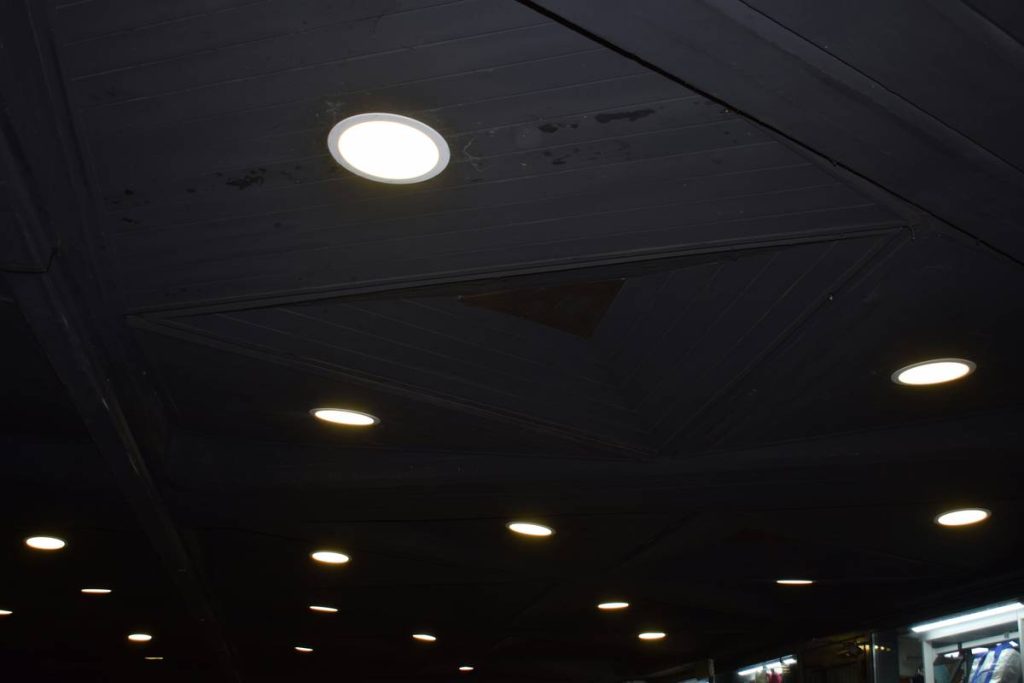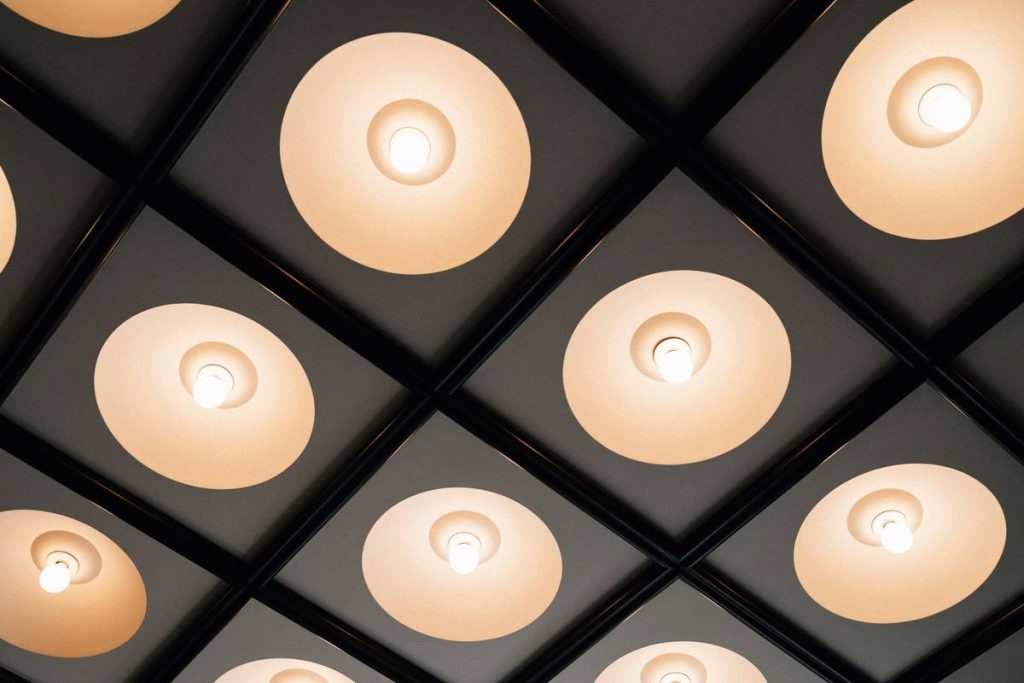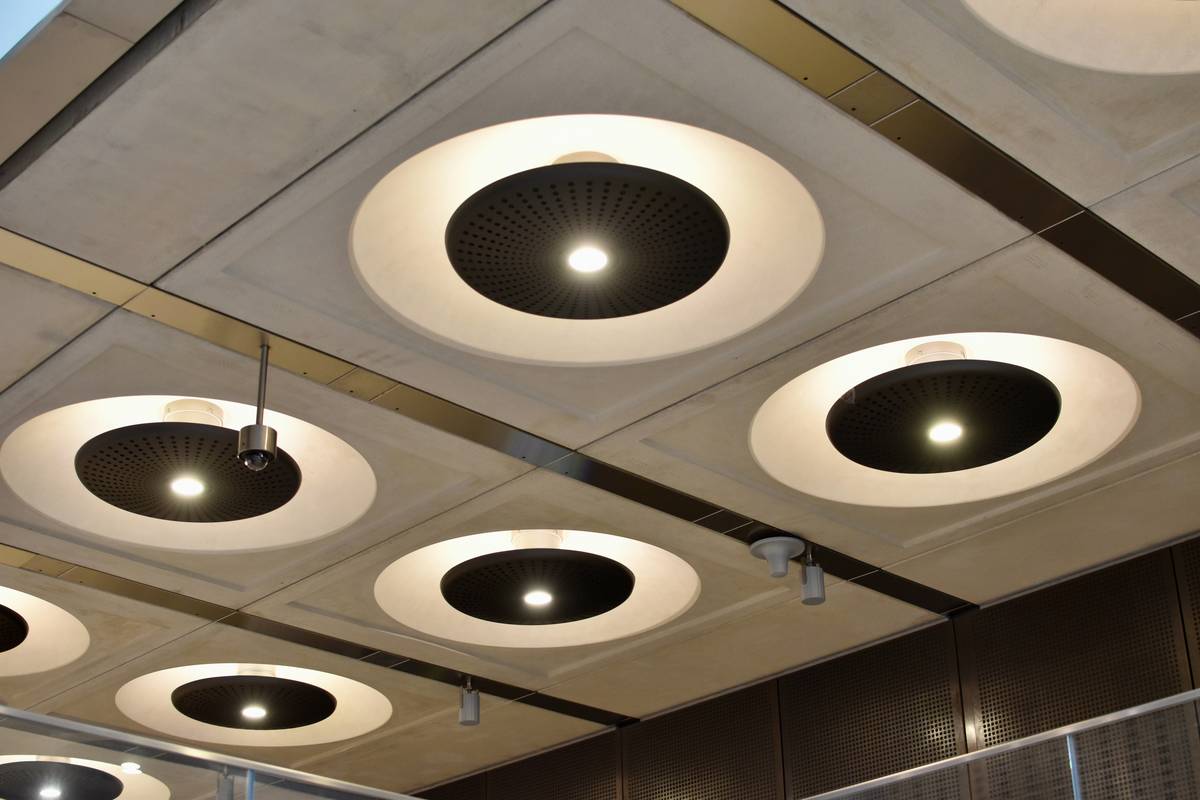
If your ceiling feels dim, dated, or devouring your electric bill, you’re not alone. Homeowners in modern homes often overlook one of the most impactful upgrades hiding in plain sight—recessed lighting. But not all recessed fixtures are created equal. I once installed cheap, non-IC-rated cans above a bathroom without checking insulation clearance. Result? A $400 fire inspection scare and a lesson etched in thermal paste. Today, energy efficient recessed lighting isn’t just about looks—it’s about safety, savings, and smart design.
Table of Contents
- Why Energy Efficient Recessed Lighting Matters
- Step-by-Step Guide to Upgrading Your Lights
- Best Practices for Maximum Efficiency
- Real-World Results: Case Studies
- Frequently Asked Questions
Key Takeaways
- LED-based energy efficient recessed lighting can cut lighting energy use by up to 90% compared to incandescent bulbs (U.S. Department of Energy).
- Proper fixture selection—airtight, IC-rated, and correctly sized—is critical for safety and performance.
- Mistakes like ignoring color temperature or over-lighting rooms are common but easily avoidable.
- Professional installation ensures compliance with local codes and maximizes rebates or incentives.
Why Energy Efficient Recessed Lighting Matters
In modern home design, lighting sets the mood, defines space, and impacts utility bills more than most realize. Traditional recessed housings leak air, radiate heat, and waste electricity—especially if paired with halogen or incandescent bulbs. According to the U.S. Department of Energy, upgrading to LED recessed fixtures reduces both energy consumption and cooling loads in summer.
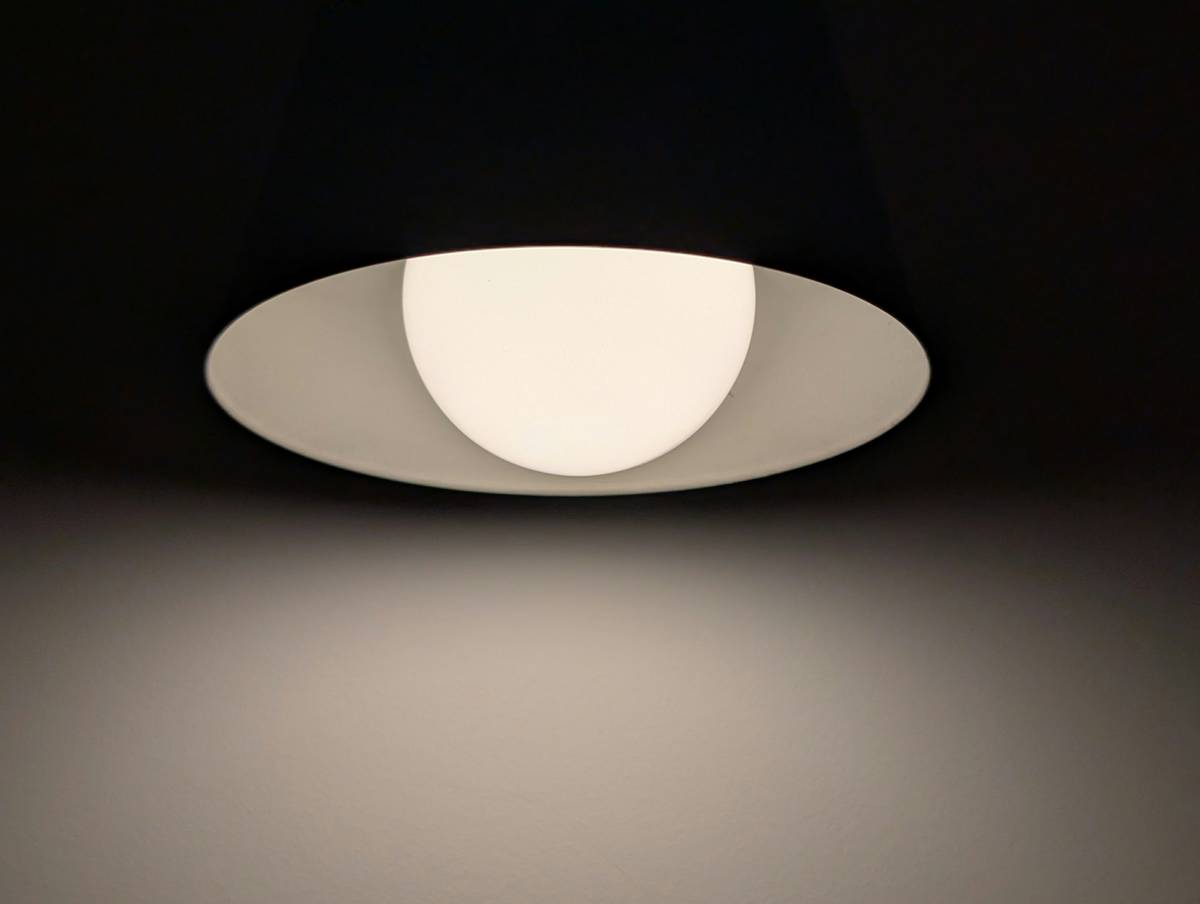
Beyond savings, there’s comfort. Flicker-free, high-CRI (Color Rendering Index) LEDs render colors accurately—essential when choosing paint or prepping meals. And let’s address the elephant in the room: ugly “can lights” from the ‘90s gave recessed lighting a bad name. Today’s slim, baffle-trim, selectable-white fixtures blend seamlessly into ceilings while delivering brilliant, directional light where you need it.
Step-by-Step Guide to Upgrading Your Lights
1. Audit Your Current Setup
Count existing fixtures, note bulb types (check wattage!), and inspect housing labels for “IC” (insulation contact) or “non-IC” ratings. Non-IC fixtures can’t touch insulation—a major fire hazard.
2. Choose the Right Fixture Type
Opt for airtight, IC-rated LED retrofit kits or new-construction housings. Look for ENERGY STAR® certification—these meet strict efficiency and longevity standards.
3. Determine Layout and Spacing
A general rule: space fixtures at half your ceiling height. For an 8-foot ceiling, place them 4 feet apart. Avoid lining them up like prison yard searchlights; stagger or zone them based on task areas (e.g., kitchen island vs. dining nook).
4. Install with Precision
Unless you’re experienced with electrical work, hire a licensed electrician. At Lee’s One Electric, our team ensures every installation meets NEC (National Electrical Code) standards—and qualifies for local utility rebates.
Best Practices for Maximum Efficiency
- Pick the right color temperature: 2700K–3000K for warm, inviting living spaces; 3500K–4000K for kitchens and bathrooms where clarity matters.
- Use dimmers compatible with LEDs: Not all dimmers work with LEDs—mismatched pairs cause buzzing or flickering.
- Avoid the “more is better” trap: Over-lighting creates glare and wastes energy. Six well-placed energy efficient recessed lighting fixtures beat ten poorly positioned ones.
- Seal gaps during installation: Even “airtight” fixtures leak if not properly gasketed against drywall.
And here’s a terrible tip you’ll hear online: “Just screw an LED bulb into your old can.” Don’t. Older housings lack thermal management for LEDs, shortening lifespan and reducing efficiency. It’s false economy.
Real-World Results: Case Studies
A Portland homeowner replaced 12 halogen recessed lights with ENERGY STAR-certified energy efficient recessed lighting fixtures. Their monthly lighting bill dropped from $38 to $6.50—an 83% reduction. Meanwhile, a Chicago renovation project used tunable-white recessed LEDs in a loft, allowing mood shifts from energizing (5000K) in the morning to cozy (2700K) at night—all controlled via app.
The data stacks up: The Environmental Protection Agency reports that ENERGY STAR LED recessed downlights use 75% less energy and last 15 times longer than incandescent models.
Frequently Asked Questions
Are all recessed lights energy efficient?
No. Only those using LED technology with proper thermal design and driver efficiency qualify as truly energy efficient recessed lighting. Halogen or incandescent retrofits don’t count.
Can I install energy efficient recessed lighting myself?
If you’re replacing bulbs in existing IC-rated LED-compatible housings, yes. But for new installations or rewiring, hire a professional to ensure safety and code compliance. Reach out to us at Contact Us for a consultation.
Do recessed LEDs work with smart home systems?
Many do—look for Wi-Fi or Zigbee-enabled models. Always verify compatibility with your hub (e.g., Alexa, Google Home) before purchasing.
Will energy efficient recessed lighting increase my home’s value?
Yes. Modern, efficient lighting is a noted upgrade in home appraisals, especially in kitchens and primary living areas.
How long do these fixtures last?
Quality LED recessed fixtures last 25,000–50,000 hours—that’s 15–25 years with average daily use.
Does Lee’s One Electric offer warranties?
Absolutely. We stand behind every installation with service guarantees. Review our full terms in the Privacy Policy and service agreements.
Lighting should disappear—except when it wows. Done right, energy efficient recessed lighting becomes the silent hero of your home: saving watts, enhancing space, and never demanding attention… until you flip the switch and everything just clicks.