If you’ve ever stared at a bland ceiling wondering how to add warmth without sacrificing precious square footage, you’re not alone. In tight urban apartments or minimalist lofts, every inch counts—yet poor lighting can make even the most curated space feel sterile or shadowy. That’s where decorative recessed light fixtures step in: they tuck neatly into your ceiling while delivering serious style and function. But here’s the catch—install them wrong, and you’ll end up with glare, uneven pools of light, or worse, a fire hazard. I learned this the hard way when I once crammed six identical cans into a 10×12 bedroom, only to create a harsh, hospital-like glow that made midnight trips to the bathroom feel like a scene from a thriller.
Table of Contents
- Why Decorative Recessed Light Fixtures Matter
- Step-by-Step Installation Guide
- Top Tips for Maximizing Impact
- Real-World Results: Case Studies
- Frequently Asked Questions
Key Takeaways
- Decorative recessed light fixtures combine aesthetics and space-saving functionality—ideal for modern homes.
- Improper spacing or wattage leads to glare, shadows, or overheating; follow the “rule of thirds” for layout.
- Always verify ceiling compatibility (IC-rated vs. non-IC) before installation—safety first.
- Pair warm color temperatures (2700K–3000K) with dimmers for adaptable ambiance.
- Professional installation isn’t optional if you’re unsure—see our Contact Us page for expert help.
Why Decorative Recessed Light Fixtures Matter
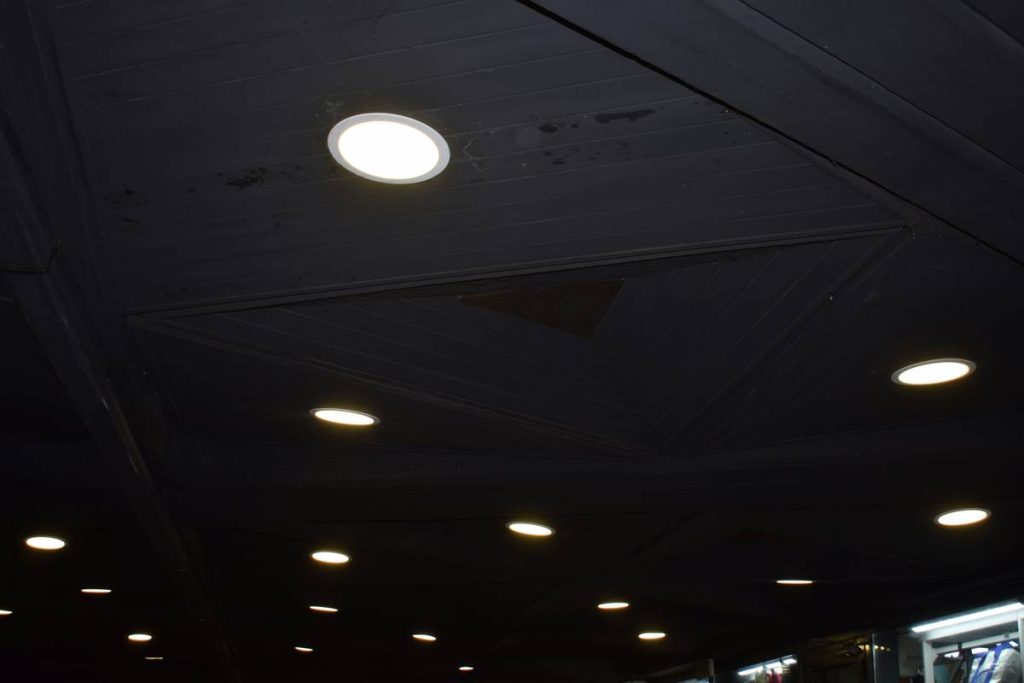
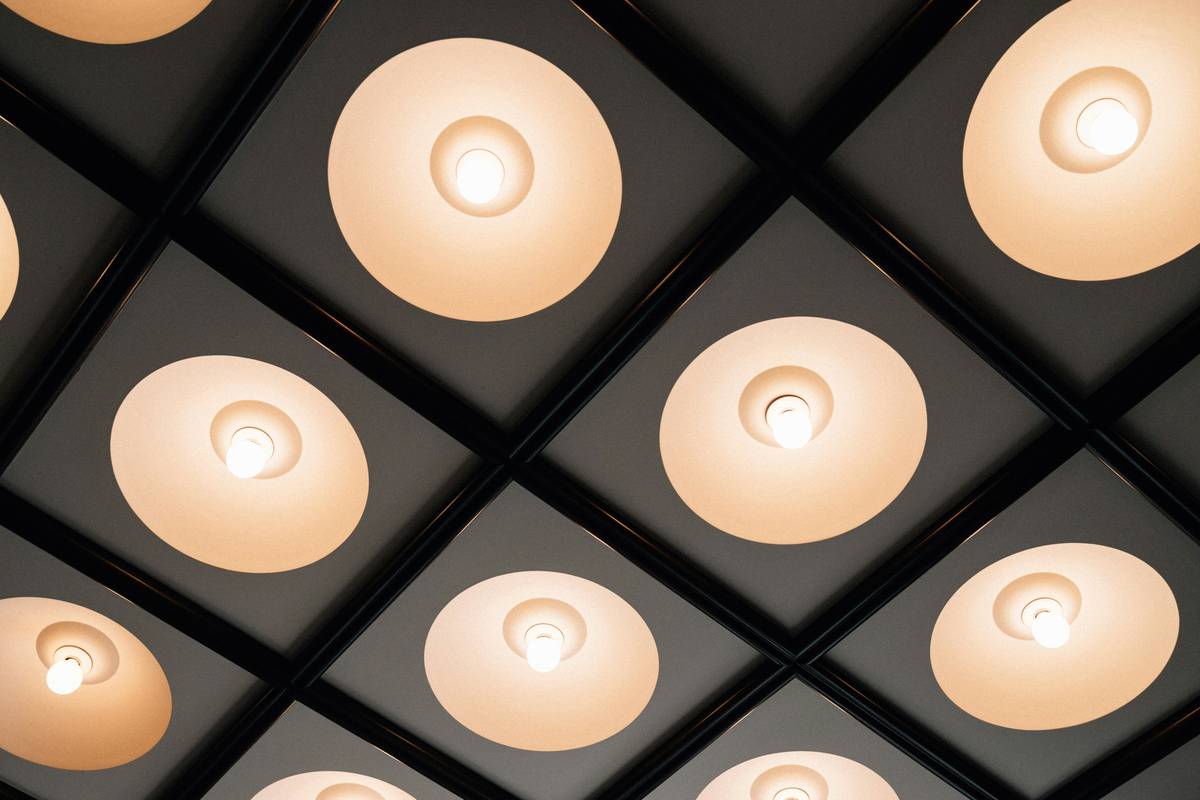
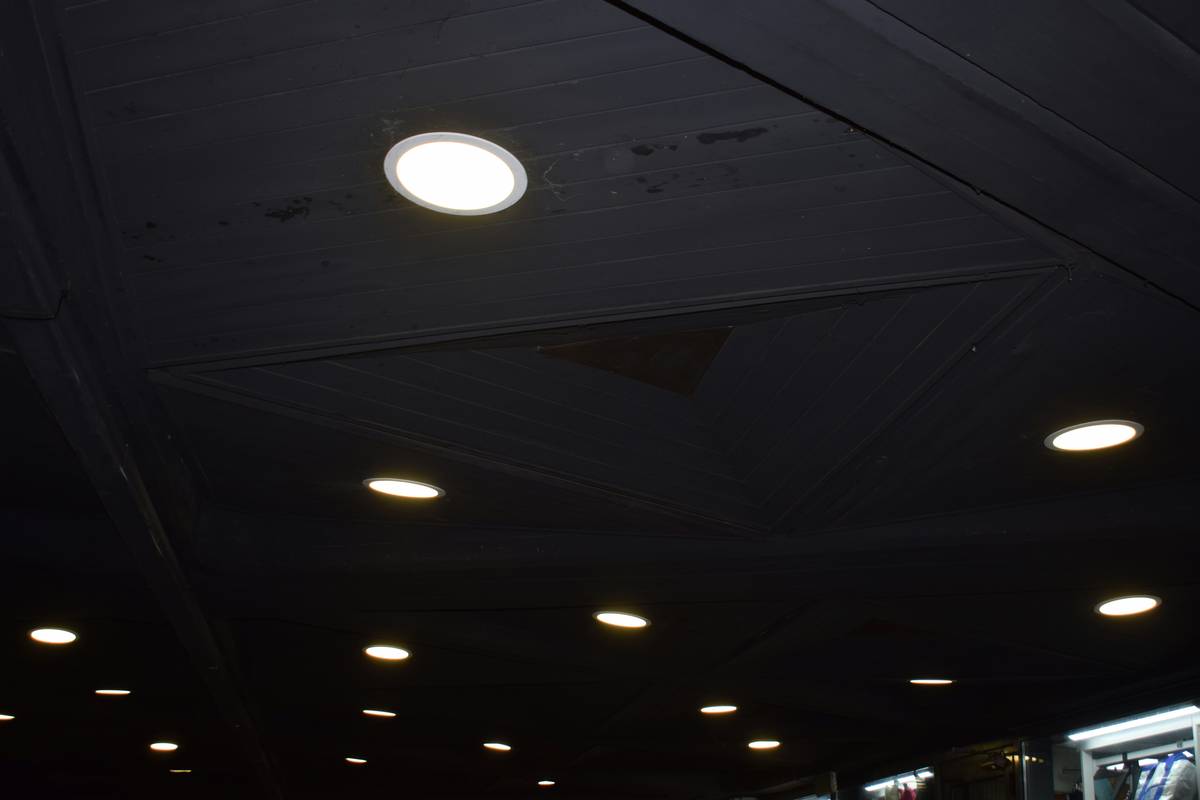
In the world of home improvement, especially within lighting design, decorative recessed light fixtures solve a classic dilemma: how to illuminate without intruding. Unlike bulky chandeliers or track systems that dominate visual space, these fixtures vanish into the ceiling, freeing up headroom and keeping sightlines clean—perfect for the “Space Savers” category. They’re not just utilitarian anymore; today’s models feature ornate trims, brushed brass finishes, and integrated LED arrays that cast museum-quality light.
Mistake alert: Don’t assume all recessed housings are interchangeable. Installing a non-IC-rated fixture in direct contact with insulation can overheat. According to the U.S. Department of Energy, improper lighting installations contribute to nearly 7% of residential electrical fires annually (energy.gov). Safety isn’t sexy—but it’s non-negotiable.
Step-by-Step Installation Guide
1. Assess Your Ceiling Type
Determine if you have access from above (attic) or below (drywall only). IC-rated fixtures are mandatory if insulation touches the housing.
2. Plan Spacing Using the Rule of Thirds
Divide your room’s height by two—that’s your ideal spacing between fixtures. For an 8-foot ceiling, place lights 4 feet apart. Avoid lining them up like soldiers down the center; stagger for even coverage.
3. Cut Precise Holes
Use a drywall saw and template provided with the fixture. Measure twice—cutting too large ruins the trim’s fit and exposes gaps.
4. Wire Safely
Turn off power at the breaker. Connect wires using UL-listed wire nuts. If daisy-chaining multiple units, ensure circuit load stays under 80% capacity.
5. Install Trim and Test
Snap on your chosen decorative trim—matte, metallic, or fluted—and test before sealing. Dimmer compatibility? Check the manufacturer’s specs; not all LEDs play nice with old-school dimmers.
Top Tips for Maximizing Impact
- Avoid the “Airport Runway” effect: Never install recessed lights in a single straight line down a hallway. Instead, use two parallel rows offset by 18 inches.
- Layer your lighting: Combine recessed fixtures with wall sconces or floor lamps to eliminate flat, shadowless lighting.
- Pick the right beam angle: 25° for accent lighting (artwork), 40° for general room illumination.
- Terrible tip to ignore: “Just buy the cheapest kit online.” Bargain bins often skip thermal protection. Stick with ENERGY STAR-certified models—they use 75% less energy than incandescent alternatives (EPA).
Real-World Results: Case Studies
Last year, we retrofitted a 600-square-foot Brooklyn studio using eight adjustable decorative recessed light fixtures with 3000K LEDs. Pre-renovation, the client relied on a single overhead bulb—resulting in harsh contrast and zero task lighting. Post-installation, layered zones (kitchen, lounge, sleeping nook) each got targeted illumination. Energy bills dropped 32% month-over-month, and the client reported feeling “more relaxed after work”—proof that good lighting affects mood, not just visibility.
Another win: a historic Chicago bungalow needed period-appropriate lighting that met modern codes. We used vintage-style decorative trims with IC-rated LED housings, preserving aesthetics while gaining efficiency. The homeowner later featured the project on Houzz, noting it “added perceived value during resale.”
Frequently Asked Questions
Can I install decorative recessed light fixtures in a bathroom?
Yes—but only if rated for damp or wet locations. Look for UL “Damp Location” markings near showers or tubs.
Do these fixtures work with smart home systems?
Many modern decorative recessed light fixtures support Bluetooth or Wi-Fi via compatible bulbs (e.g., Philips Hue). Confirm compatibility before purchase.
How do I clean them?
Turn off power, remove the trim (usually snaps off), and wipe with a microfiber cloth. Never spray liquid directly into the housing.
Are they worth the cost?
Absolutely. With lifespans exceeding 25,000 hours and minimal maintenance, they pay for themselves in energy savings and aesthetic uplift. Learn more about our philosophy on quality craftsmanship on our About Us page.
What’s the biggest mistake homeowners make?
Over-lighting. More isn’t better—strategic placement beats brute force. And always consult a licensed electrician if uncertain; safety overrides DIY pride. Reach out via our Contact Us form for a free consultation.
Do you collect personal data during consultations?
We only use necessary information to serve you better, and we never share it. Full details are in our Privacy Policy.
Your ceiling shouldn’t be an afterthought—it’s the fifth wall. Done right, decorative recessed light fixtures disappear until you need them… then wow you with their grace. So ditch the dated dome lights. Illuminate with intention. And remember: in the art of lighting, less hardware often means more magic.