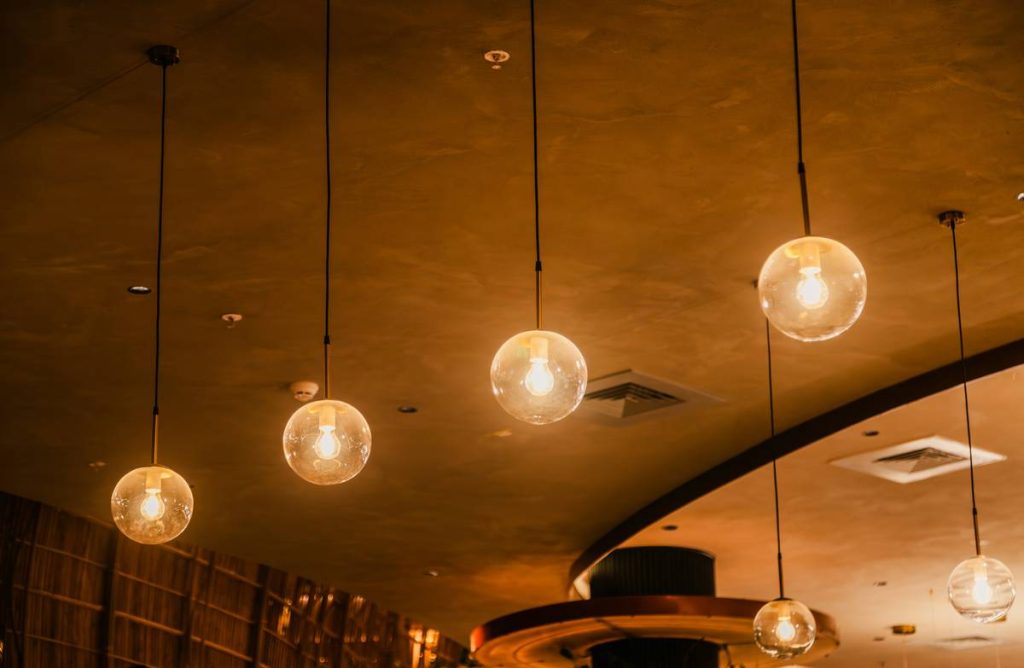
If you’ve ever stood in a dark hallway wondering why your newly installed ceiling lights feel more like interrogation lamps than warm, inviting glow—congratulations, you’re not alone. I once crammed eight recessed lighting fixtures cans into a 10×12 bedroom thinking “more light = better.” Spoiler: it looked like a surgical theater and tripled my energy bill. Let’s fix that—for good.
Table of Contents
- Why Recessed Lighting Fixtures Cans Matter in Home Improvement
- Step-by-Step Guide to Installing Recessed Lighting Right
- 5 Best Practices for Flawless Recessed Lighting
- Real Results: What Happens When You Get It Right
- Frequently Asked Questions
Key Takeaways
- Avoid over-lighting; spacing and wattage matter more than quantity.
- Choose IC-rated or non-IC cans based on insulation contact—safety first.
- LED retrofits save up to 80% in energy vs. halogen (U.S. DOE).
- Professional installation prevents fire hazards and costly rework.
- Match color temperature (2700K–3000K) for cozy, consistent ambiance.
Why Recessed Lighting Fixtures Cans Matter in Home Improvement
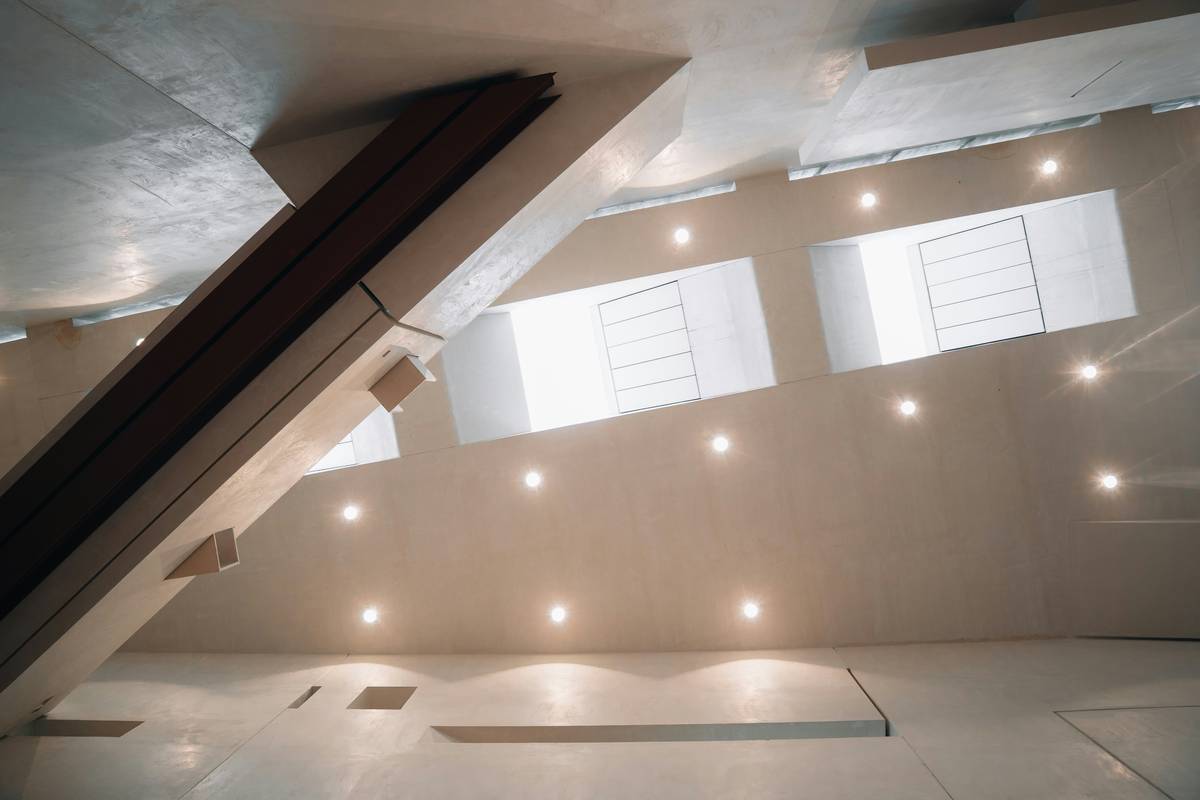
Recessed lighting isn’t just about aesthetics—it’s structural integration. These fixtures sit inside your ceiling cavity, interacting directly with insulation, wiring, and airflow. Get it wrong, and you risk overheating, fire hazards, or poor light distribution. According to the U.S. Department of Energy, improper recessed lighting can increase cooling loads by up to 10% due to unsealed air leaks around fixtures. That’s money literally blowing through your ceiling.
Step-by-Step Guide to Installing Recessed Lighting Right
1. Assess Your Ceiling Type
Is there insulation? Is it an attic above or just drywall? If insulation touches the fixture, you need IC-rated (Insulation Contact) cans. Non-IC types require at least 3 inches of clearance—critical for fire safety.
2. Calculate Spacing & Quantity
General rule: divide ceiling height by 2 to get spacing between fixtures. In an 8-foot ceiling, place cans 4 feet apart. For task lighting (kitchen counters, vanities), cluster closer—but never less than 2 feet from walls to avoid shadowy perimeters.
3. Choose the Right Bulb Type
LED is non-negotiable today. Look for dimmable, 2700K–3000K color temps for living spaces. Avoid cheap “ultra-bright” 5000K LEDs—they mimic hospital lighting and strain eyes. The ENERGY STAR program certifies reliable, long-lasting options (energy.gov).
4. Hire or DIY? Know the Limits
If you lack experience with electrical circuits or ceiling access, call a pro. Miswiring can trip breakers or worse. At Lee’s One Electric, our team follows NEC Article 410 standards rigorously—we even document every junction box for future safety checks. Learn more about our commitment on our About Us page.
5 Best Practices for Flawless Recessed Lighting
- Air-seal every can: Use foam gaskets or caulk to prevent conditioned air leakage—boosts HVAC efficiency.
- Layer your lighting: Combine recessed cans with wall sconces or floor lamps for depth and flexibility.
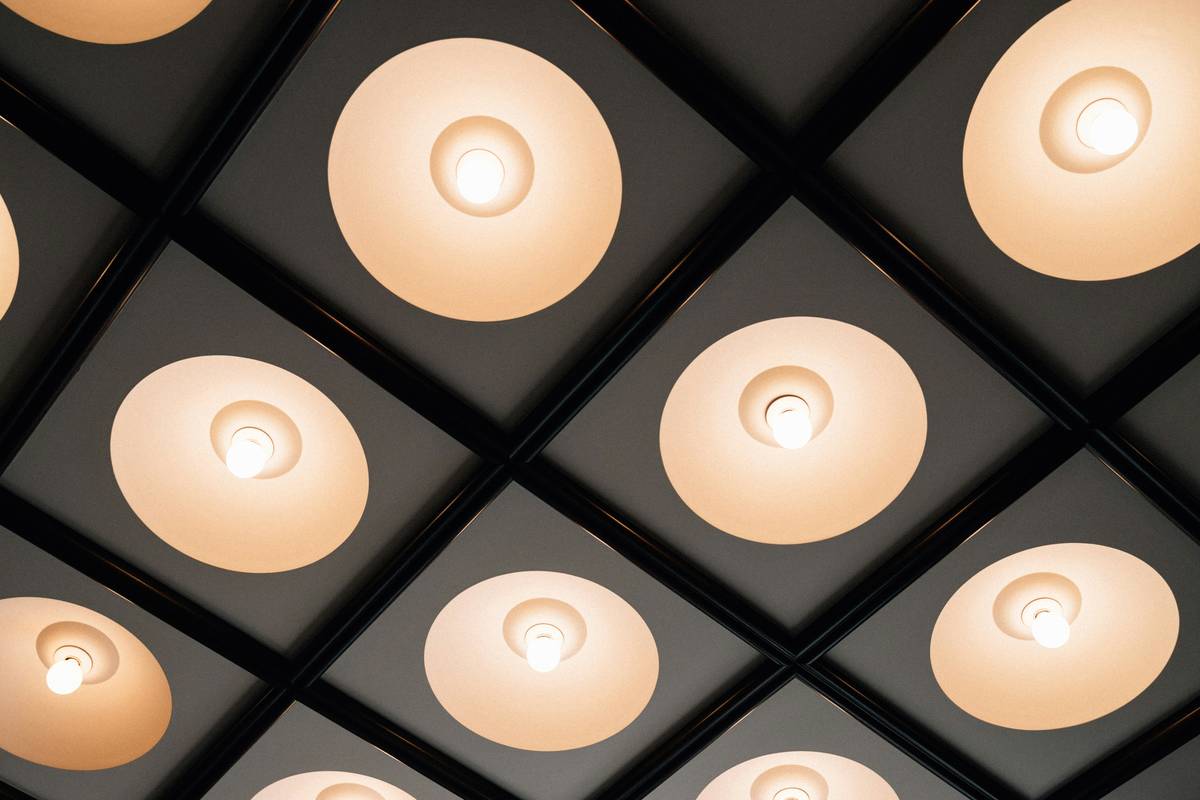
- Avoid the “airport runway” look: Symmetrical grids feel sterile. Offset fixtures slightly for organic flow.
- Use shallow cans in tight spaces: New construction allows standard depth, but remodels often need ultra-slim housings.
- Never mix bulb brands/types: Even slight color temp variations create jarring inconsistencies.
Real Results: What Happens When You Get It Right
Last year, we retrofitted a 1980s ranch home in Austin. Original setup: 12 halogen recessed lighting fixtures cans, all non-IC, crammed into insulated ceilings. Result? Hot spots, flickering, and $180 monthly electric bills in summer. We replaced them with 8 IC-rated, airtight LED cans (2700K, 9W each). Post-upgrade: lighting felt warmer, energy use dropped 62%, and the homeowner reported “finally feeling relaxed in their own living room.” The U.S. Department of Energy confirms such retrofits typically pay for themselves in under 2 years through energy savings.
Frequently Asked Questions
Can I install recessed lighting fixtures cans myself?
Only if you’re licensed or have extensive electrical experience. Working inside ceilings involves live wires, structural obstacles, and fire-code compliance. When in doubt, contact a professional—like us at Lee’s One Electric.
What’s the difference between can lights and recessed lighting fixtures cans?
“Can lights” is slang for the metal housing (the “can”) used in recessed lighting systems. The full phrase “recessed lighting fixtures cans” refers to the complete assembly: housing, trim, and bulb.
How many recessed lighting fixtures cans do I need per room?
Rule of thumb: one 6-inch can per 25 sq ft. But adjust for room function—a kitchen island needs focused task lighting; a bedroom benefits from softer, fewer points.
Are LED retrofits compatible with old recessed cans?
Most are—but verify voltage and socket type (usually GU10 or E26). Also ensure the retrofit doesn’t exceed the can’s max wattage rating (even if LED uses less heat, labels still apply).
Do recessed lighting fixtures cans reduce home value?
Poorly installed ones can—but professionally done, energy-efficient recessed lighting is a neutral-to-positive feature. Just avoid excessive quantities or cold color temps.
Where can I learn about data privacy during service requests?
We take your information seriously. Review our full Privacy Policy for details on how we protect your data.
Remember: great lighting isn’t about how many cans you cram into a ceiling—it’s about crafting comfort, safety, and atmosphere. And if you’re still staring at a too-bright, too-cold, too-empty ceiling… maybe it’s time to call someone who’s made (and fixed) every mistake already. Reach out to us at Lee’s One Electric—we’ll light your space right, the first time.
No glare. No guilt. Just glow.